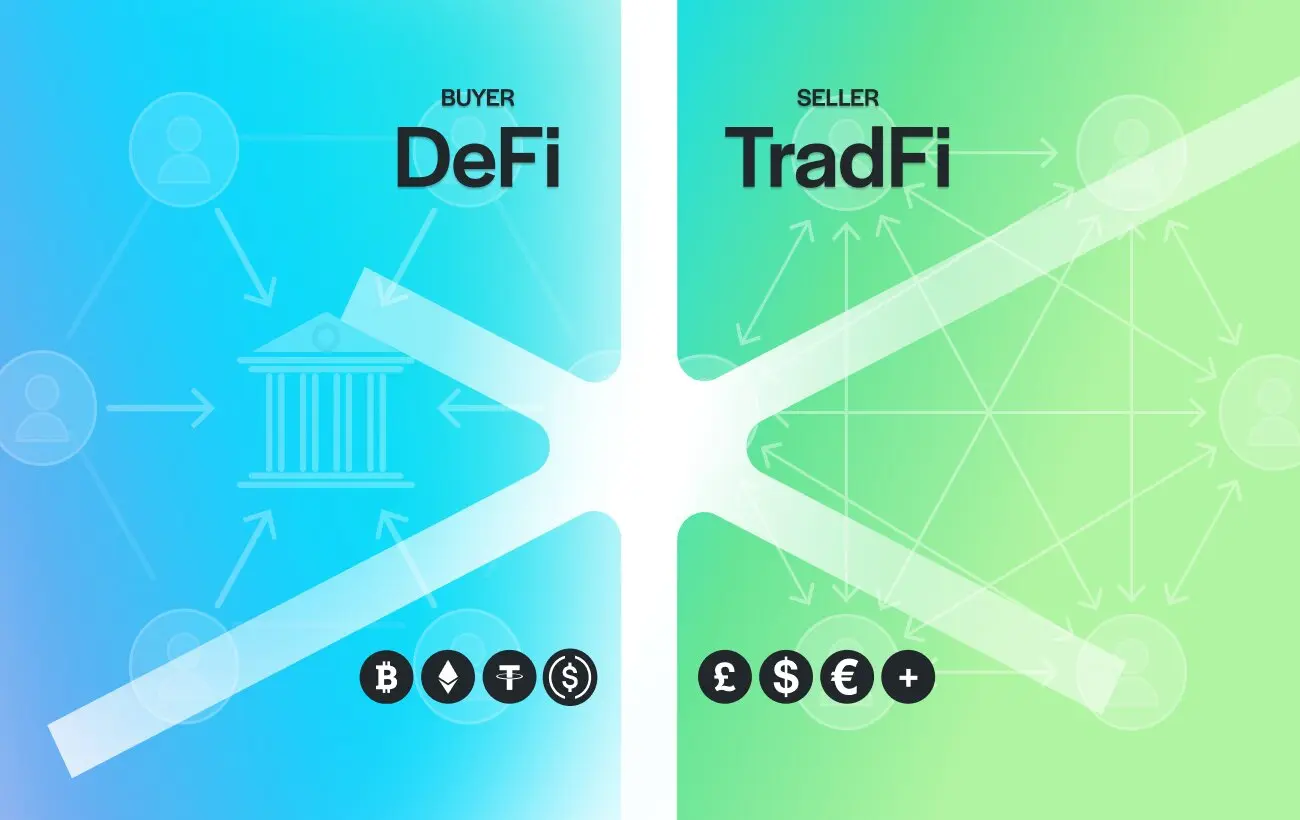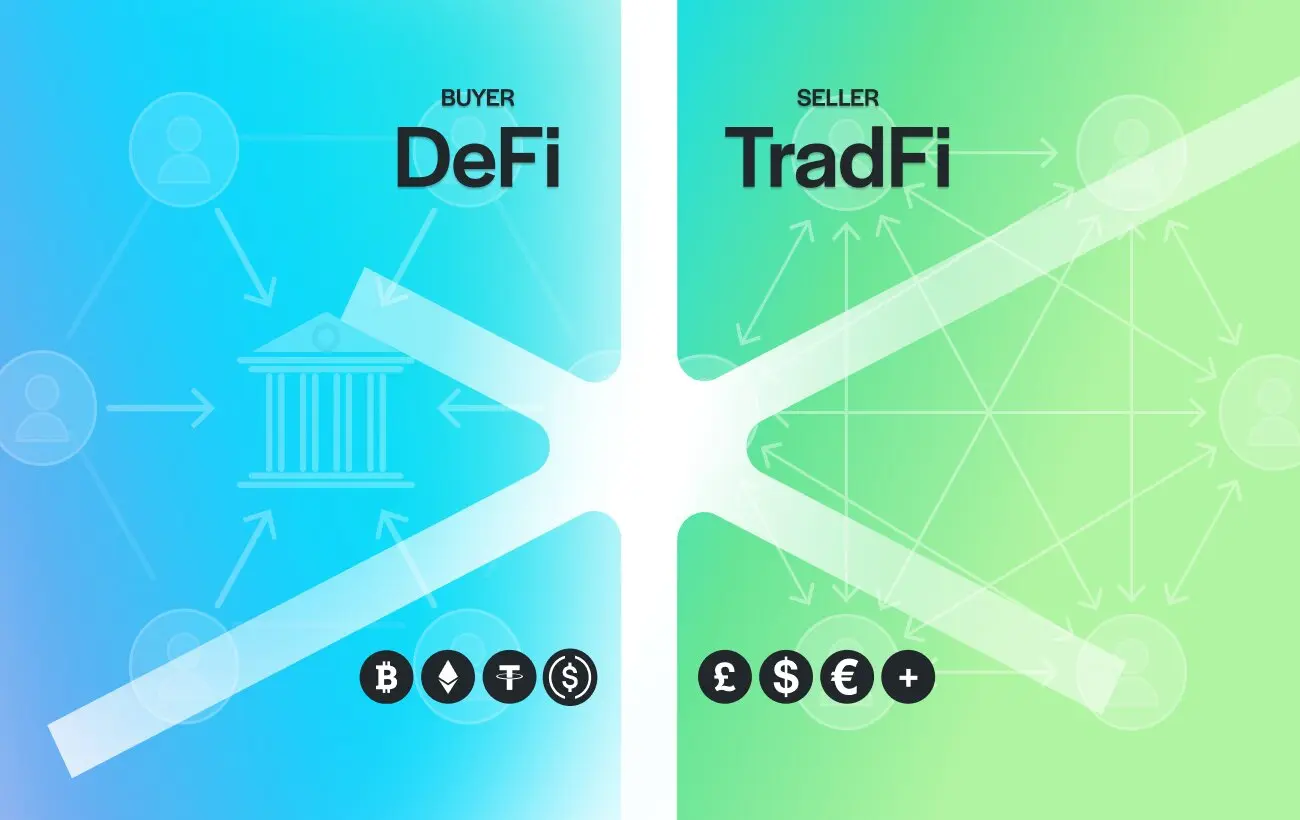
More than 560 million people worldwide hold cryptocurrency. Most of it sits untouched as an investment. The reason has never been a lack of willingness. It has been a lack of infrastructure. Until recently, using crypto to buy anything meant selling on an exchange and waiting days for a bank withdrawal. That changed. TrustLinq lets you use crypto to buy anything that accepts a bank transfer: rent, invoices, payroll, school fees, and real estate. Settlement covers 80-plus fiat currencies across 170-plus countries. You send stablecoins. The recipient receives a local fiat bank transfer. No exchange account required. No merchant crypto acceptance needed.
Why Spending Crypto Has Always Been So Difficult
The fundamental problem is simple: the global economy still runs on fiat bank transfers. Landlords invoice in euros. Lawyers bill in pounds. Suppliers expect payment in their local currency. Crypto has never achieved meaningful merchant acceptance at scale. The solutions that existed, crypto debit cards and exchange off-ramps, both required you to convert first and settle into your own account. That adds days, exchange fees, and withdrawal limits. It also leaves you unable to pay a specific third-party bank account directly.
The missing piece was a non-custodial route that converts stablecoins and delivers fiat directly to any nominated bank account. Crucially, it had to work without the sender going through an exchange, and without the recipient having to accept crypto. That is exactly what TrustLinq provides. For a detailed look at how this settlement model works, see our guide to crypto-funded fiat settlement.
What Changed in 2026
Two things converged in 2025 and 2026 to make this possible at scale. First, regulatory clarity arrived. The US GENIUS Act was signed into law on 18 July 2025. It established a federal framework for payment stablecoins, giving institutions clarity to build compliant settlement infrastructure. In Europe, MiCA came fully into force on 30 December 2024. It created a unified regulatory environment for crypto asset services across all 27 EU member states. For the first time, both sides of the Atlantic had clear rules for stablecoin-backed payments.
Second, the infrastructure caught up. Non-custodial settlement platforms emerged that could process stablecoin conversion in a smart contract vault, run AML compliance, and execute local bank transfers without taking custody of the sender’s assets. Anyone holding USDT (ERC-20 or TRC-20), USDC, EURC, or RLUSD can now direct a specific fiat amount to a specific bank account anywhere in the world, in hours rather than days. Chainalysis data shows crypto adoption has grown fastest in regions where traditional banking is most costly for cross-border payments. That is precisely where local fiat settlement creates the most value.
What You Can Use Crypto to Buy in 2026
If the recipient has a bank account and will accept a fiat bank transfer, TrustLinq can fund that payment from your stablecoin wallet. The recipient does not need to know the payment originated in crypto. They simply receive a domestic bank transfer in their local currency. Here are the main categories where people are already using crypto to buy things today.
Housing and Property
Monthly rent is the largest recurring expense for most individuals. Most landlords have no interest in accepting crypto directly. With TrustLinq, you can pay rent from your stablecoin wallet to any landlord’s bank account, in the same city or on the other side of the world. The same applies to property purchase deposits, completion payments, and legal fees. Ongoing service charges and property management fees are covered too. For crypto-native buyers completing real estate transactions, TrustLinq removes the need to liquidate first and wire funds through a bank. Read our full guide on paying rent with crypto for a step-by-step walkthrough.
Professional Services and Invoices
Lawyers, accountants, architects, and consultants who bill in fiat can all be paid directly from your stablecoin wallet. This is useful for businesses that hold stablecoin treasury but operate across multiple currencies. You enter the invoice amount in the recipient’s currency. TrustLinq calculates the stablecoin equivalent at conversion. The professional receives a standard bank transfer with no indication the payment originated in crypto.
Business Operations and Payroll
Businesses holding stablecoin treasury can use TrustLinq to run payroll, pay suppliers, and settle vendor invoices across borders. No prior fiat conversion is needed, and no bank accounts in every operating country are required. A company can hold USDT (ERC-20 and TRC-20), USDC, EURC, and RLUSD and pay staff in their local currencies, from euros to rupees to reais, via domestic bank transfers in each country, all from a single stablecoin balance. For a full breakdown of how cross-border contractor and supplier payments work, see our guide to paying international contractors with crypto.
Education and Healthcare
University tuition invoices, school fees, and specialist medical bills can all be settled via TrustLinq. The only requirement is that the institution has a bank account. This is valuable for families living internationally, students at foreign universities, and individuals receiving healthcare abroad. The institution receives a normal bank transfer and processes it like any other fiat payment.
Everyday Business Expenses
For businesses and freelancers working across borders, everyday expenses can be paid via TrustLinq if the vendor accepts bank transfers. This covers software subscriptions with invoice billing, advertising agency fees, logistics providers, and co-working memberships. The ability to use crypto to buy anything that invoices by bank transfer turns stablecoin holdings from a treasury reserve into an operational payment account. For more on managing business expenses from a stablecoin wallet, see our guide to using crypto for business expenses.
How It Works: From Stablecoin to Bank Transfer
The process is straightforward. The recipient only needs to provide their standard bank account details. No crypto knowledge is required on their side.
The Payment Process, Step by Step
Register on TrustLinq once and complete the one-time KYC verification. Enter the recipient’s bank details and the fiat amount they expect to receive. TrustLinq generates a one-time Vault address and shows the exact stablecoin amount required. Send that amount from your self-custodial wallet to the Vault address. TrustLinq’s smart contract processes AML compliance and executes the bank transfer directly to the recipient’s account. The entire process typically completes within a few hours. The recipient receives a domestic bank transfer with no reference to crypto.
Supported funding assets are USDT (ERC-20 and TRC-20), USDC, EURC, and RLUSD. Settlement is delivered via local bank transfer infrastructure in the destination country across 80-plus fiat currencies. Your stablecoins remain under your control until the moment of conversion. There is no custodial counterparty risk and no exchange withdrawal limits to worry about. For more detail on the non-custodial architecture, see our guide to non-custodial crypto payments.
Local Bank Transfers, Not SWIFT Wires
A key advantage of TrustLinq over traditional international wires is where settlement actually happens. Fiat is executed through local bank transfer infrastructure in the destination country, not through the SWIFT correspondent banking network. A payment to a recipient in Germany arrives as a SEPA bank transfer. UK recipients receive a Faster Payments credit. For recipients in the US, TrustLinq settles via ACH. There are no correspondent banking delays, no intermediary fees deducted, and settlement arrives faster than a SWIFT wire. In most major markets, the payment is indistinguishable from a local bank transfer.
This local settlement model makes TrustLinq practical for paying professionals who would otherwise push back on international wires. Delays and uncertain net amounts are common frustrations with SWIFT. When the recipient gets a domestic transfer in their own currency, the experience is the same as being paid by a local client.
The Economics vs the Old Route
The traditional route for using crypto to buy anything involved three steps. First, sell stablecoins on a centralised exchange. Then wait 1 to 5 business days for a fiat withdrawal to your own bank account. Then send an international wire to the recipient. Exchange fees, withdrawal fees, and wire fees all applied along the way. The SWIFT routing added correspondent banking charges deducted from what the recipient actually received. Total friction could easily reach 2 to 4 percent of the payment value, plus several days of delay.
With TrustLinq, a single flat conversion fee covers the entire journey from your USDT (ERC-20 or TRC-20), USDC, EURC, or RLUSD to the recipient’s local bank account. No exchange account is needed. No withdrawal step. Correspondent banking deductions are eliminated entirely. The recipient receives the full fiat amount you specify, and the payment settles in hours. For businesses making regular cross-border payments from stablecoin treasury, the savings across dozens of monthly transactions are significant. For individuals, payments can be made on time, every time, directly from the wallet.
Frequently Asked Questions
Anything that accepts a bank transfer, yes. TrustLinq can fund rent, invoices, payroll, school fees, healthcare providers, real estate transactions, and much more from your stablecoin wallet. It is not a point-of-sale card system and cannot be used at retail terminals, but for bank-transfer payments it has very broad coverage.
No. The recipient provides their standard bank account details and receives a domestic fiat bank transfer in their local currency. They do not need a crypto wallet or any knowledge of blockchain. The payment arrives like any other bank transfer.
TrustLinq supports USDT (ERC-20 and TRC-20), USDC, EURC, and RLUSD. Any of these can fund fiat payments in 80-plus currencies across 170-plus countries.
Most payments complete within a few hours of the stablecoin deposit being confirmed on-chain. SEPA Instant and Faster Payments settle within minutes. Standard SEPA and ACH typically settle the same business day or next day.
Custody, Regulation and Settlement
TrustLinq uses a non-custodial smart contract Vault. Your stablecoins remain under your control until the moment of conversion. You are not depositing into an exchange or handing assets to a custodian. The conversion happens at the point of payment, for the exact amount needed for that transaction.
TrustLinq operates under Swiss financial regulation, providing the compliance infrastructure required for AML processing on each payment. This allows TrustLinq to execute legitimate fiat bank transfers on behalf of senders without the recipient needing to interact with any crypto platform.
Crypto debit cards let you spend at point-of-sale merchants who accept card payments. TrustLinq enables direct bank account transfers to any recipient globally, funded from your stablecoin wallet. It covers rent, invoices, payroll, and all payments where the recipient expects a bank transfer rather than a card. The two tools serve different use cases.
Start Using Your Crypto for Real-World Payments
TrustLinq lets you use crypto to buy anything that accepts a bank transfer: rent, invoices, payroll, fees, and more, across 170-plus countries. Register once and pay any third party using your USDT (ERC-20 and TRC-20), USDC, EURC, and RLUSD without giving up custody.