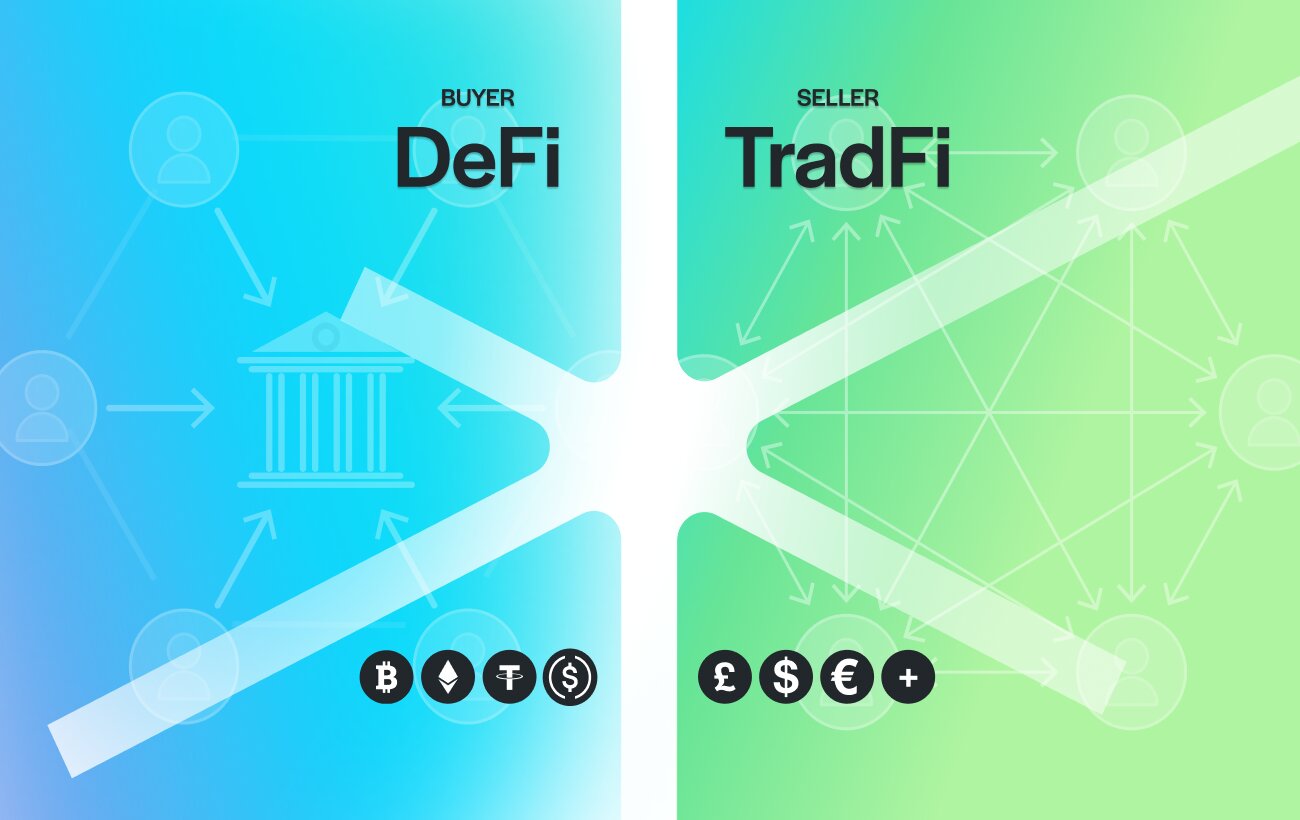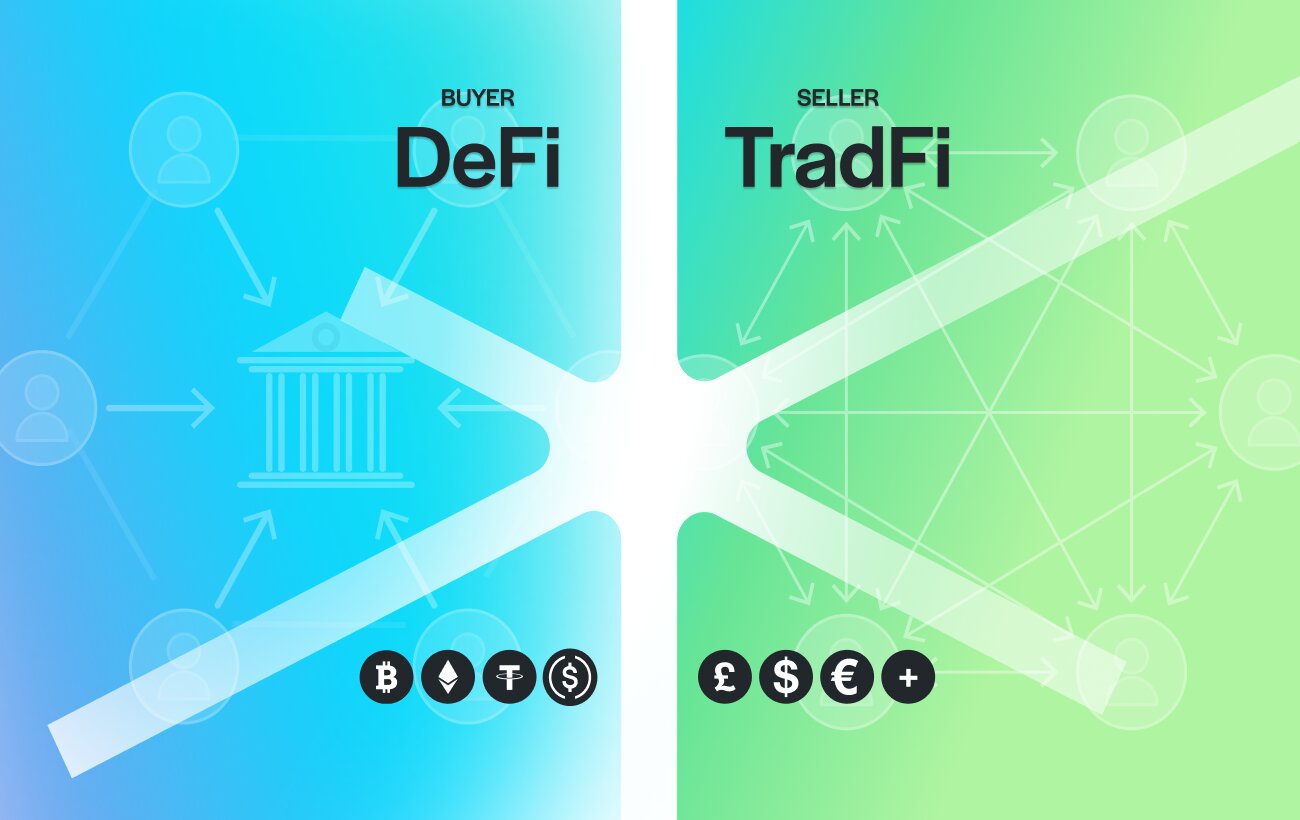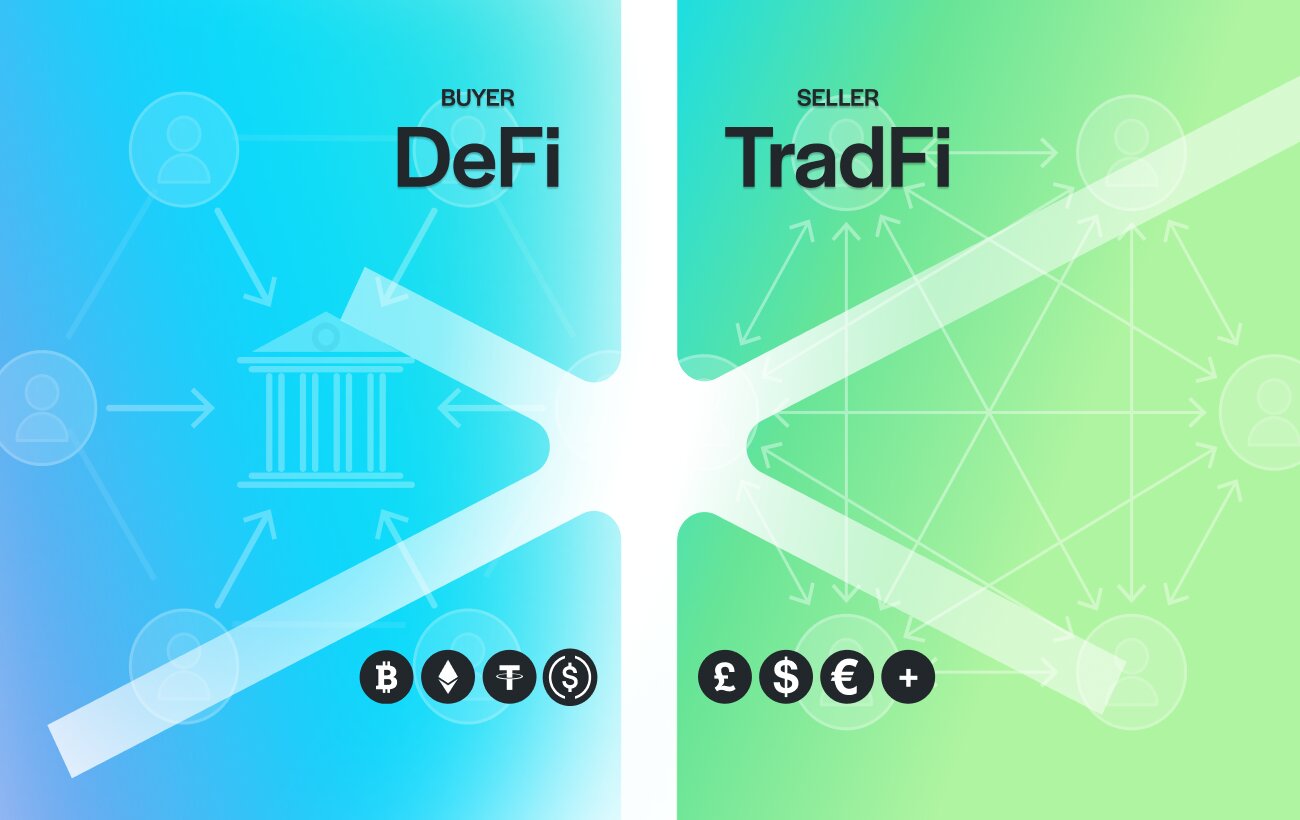
Enterprise stablecoin treasury management is becoming a core operational strategy for forward-thinking companies. A growing number of CFOs now hold USDT (ERC-20 and TRC-20), USDC, EURC, and RLUSD as part of operational reserves. However, converting those holdings into fiat for everyday business needs, including supplier payments, international payroll, and vendor invoices, has historically required going through exchanges. This introduces custody risk and operational friction that most finance teams want to avoid.
Most CFOs want to put their enterprise stablecoin treasury holdings to work, but lack a clean, regulated mechanism to convert stablecoins to fiat payments without exchange custody risk. As a result, billions in stablecoin treasury value sits underutilized while companies continue paying wire transfer fees and managing complex banking relationships.
How TrustLinq Enables Enterprise Stablecoin Treasury Operations
TrustLinq provides a non-custodial smart contract vault that connects your enterprise stablecoin treasury directly to global bank transfer networks. Your company holds USDT (ERC-20 or TRC-20), USDC, EURC, or RLUSD in your own self-custodial wallet. You specify payees, amounts, and target currencies. TrustLinq converts your stablecoins at real-time rates and deposits fiat directly into recipient bank accounts worldwide, all within hours. Moreover, your assets never sit on TrustLinq’s balance sheet at any point in the process.
For more on how the vault architecture works, see our guide to crypto-funded fiat settlement.
Non-Custodial Architecture: Critical for CFO Risk Assessment
CFOs evaluate payment infrastructure on four dimensions: counterparty risk, balance sheet treatment, operational continuity, and regulatory defensibility. On all four, TrustLinq’s non-custodial model performs better than exchange-based alternatives. Specifically, your assets remain under your control throughout the conversion process, which means exchange failures cannot affect your treasury. Your auditors see stablecoins leaving your vault and fiat arriving in supplier accounts, with a clear Swiss-regulated intermediary in between. For further reading, see our analysis of non-custodial crypto payments.
Use Cases: Supplier Payments, International Payroll, Vendor Settlements
Global Supplier Payment Consolidation
A company paying 50 suppliers across 20 countries through traditional banking incurs $40 to $50 per wire plus 2.5% to 4.5% FX markup. Monthly cost: $3,500 to $4,000. With TrustLinq, you batch all supplier payments in one API call. Your USDT, USDC, EURC, or RLUSD converts at real-time rates and settles into supplier bank accounts in their local currencies. Typical monthly cost: $800 to $1,200. Consequently, a mid-sized company can save $24,000 to $36,000 annually by switching from wire transfers to enterprise stablecoin treasury operations.
International Remote Payroll
Remote teams spanning 30 countries need salaries in CAD, AUD, EUR, GBP, SGD, JPY, INR, BRL, and dozens of other currencies. TrustLinq converts your stablecoin holdings and deposits directly into employee bank accounts. Additionally, your finance team manages all payroll from a single dashboard rather than juggling multiple banking relationships and currency accounts.
Technology Suppliers and Subscription Payments
SaaS and technology companies subscribe to hundreds of global suppliers: cloud hosting, data services, payment infrastructure, and observability platforms. These suppliers invoice in their home currencies. In contrast to managing 50 separate payment routes, TrustLinq consolidates supplier payments into one batch operation. All suppliers receive their invoiced currency, with one audit record and complete compliance documentation.
Audit Trail and Compliance Documentation
Auditors and tax authorities want clear payment documentation. TrustLinq provides: on-chain transaction records (blockchain-transparent and immutable), fiat settlement confirmations for each bank deposit, KYC documentation for all payees, AML screening results, FX conversion rates at settlement time, and a complete audit trail from stablecoin vault through fiat delivery. For Swiss-specific compliance considerations, see our article on Swiss crypto regulations.
According to FINMA (Switzerland’s Federal Financial Market Supervisory Authority), regulated crypto payment intermediaries must maintain AML and KYC documentation for all transactions. TrustLinq satisfies these requirements as a licensed Swiss financial intermediary, giving your enterprise stablecoin treasury a defensible compliance foundation.
Frequently Asked Questions
Yes. Companies including MicroStrategy, BlackRock, and numerous technology firms now hold significant USDC or USDT allocations as part of broader treasury diversification. Enterprise stablecoin treasury adoption is accelerating as regulatory clarity improves globally.
TrustLinq supports USDT (ERC-20 and TRC-20), USDC, EURC, and RLUSD. Your treasury can hold and convert any of these for operational payments.
TrustLinq supports ad-hoc payments. Initiate urgent payments anytime through the API or dashboard. No need to wait for the next scheduled batch cycle.
You initiate conversions at the moment you choose. TrustLinq uses real-time market rates. You control the timing of each conversion, allowing your treasury team to manage FX risk by selecting conversion windows.
TrustLinq provides full documentation: FX conversion rates, settlement confirmations, and transaction records. Consult your accounting and tax advisors on the correct treatment for your jurisdiction.
Withdraw your holdings to your own vault (hardware wallet or institutional custody) and then use TrustLinq for operational payments. This eliminates exchange custody risk immediately.
Use Your Crypto for Real-World Payments
TrustLinq enables crypto-funded fiat settlement for individuals and businesses worldwide. Register once and pay any third party using your self-custodial crypto.