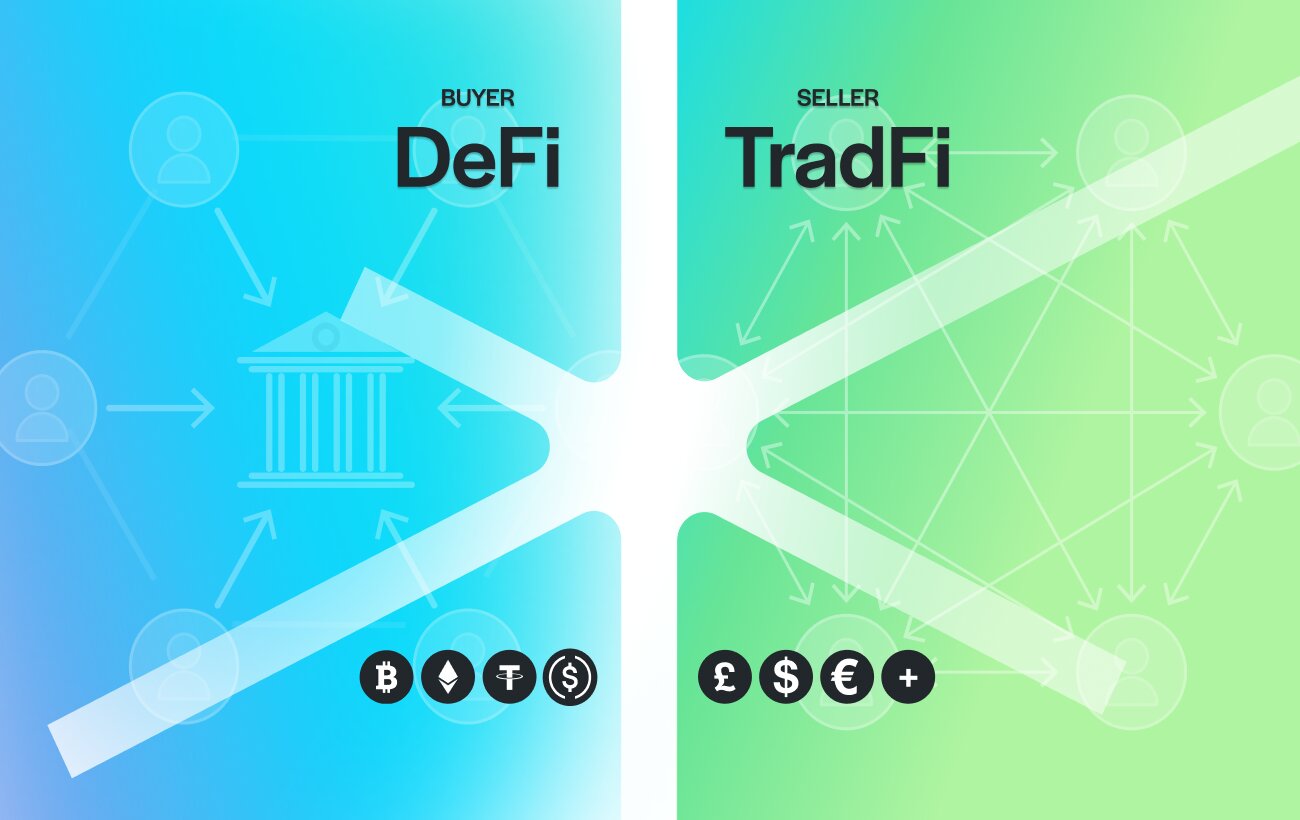
One of the most common questions among crypto holders is: can you pay taxes with cryptocurrency? The short answer is that most tax authorities do not accept crypto directly. That means converting your stablecoins into a fiat bank payment is the only reliable route. TrustLinq makes it possible to pay taxes with cryptocurrency by converting your USDT (ERC-20 and TRC-20), USDC, EURC, and RLUSD into a domestic bank transfer to the relevant tax agency, without handing your assets to an exchange.
Why Tax Authorities Do Not Accept Crypto Directly
Revenue agencies such as HMRC, the IRS, and the Swiss Federal Tax Administration (ESTV) all require fiat payment for tax obligations. While some US states and municipalities have experimented with crypto acceptance, they remain the exception, and the underlying process usually involves an approved payment processor converting crypto to dollars first anyway. As a result, most crypto holders are stuck: they hold stablecoins but need to send a fiat bank payment by a strict deadline.
The traditional workaround is to sell crypto on an exchange, wait for settlement, then initiate a bank transfer. This process can take several business days, creates additional taxable events in some jurisdictions, and requires full custody of your funds to pass through a third-party exchange balance. According to IRS guidance on virtual currencies, each disposal of crypto is itself a taxable event in the US, so selling to pay your tax bill can generate further liability.
How TrustLinq Lets You Pay Taxes with Cryptocurrency
TrustLinq operates differently. You retain custody of your USDT (ERC-20 or TRC-20), USDC, EURC, or RLUSD in your own wallet throughout the process. You specify the payee bank details, the currency, and the amount. TrustLinq’s non-custodial smart contract vault converts your stablecoins at real-time rates and routes the equivalent fiat directly to the tax authority’s bank account. There is no need to open an exchange account, no waiting for exchange withdrawal limits, and no counterparty risk. For a full overview of how this settlement architecture works, see our guide to crypto-funded fiat settlement.
VAT and Corporate Tax for Businesses
Businesses that hold stablecoin treasury face the same problem at scale. VAT obligations fall due quarterly or monthly. Corporation tax is due annually. Many crypto-native companies, particularly in iGaming, SaaS, and affiliate marketing, accumulate significant stablecoin revenue but need to pay taxes with cryptocurrency holdings rather than routing everything through a fiat bank account first. TrustLinq handles batch tax payments across multiple jurisdictions in a single operation.
Timing Your Crypto Tax Payments
Tax deadlines are fixed. The advantage of using TrustLinq is that settlement happens in hours rather than the 3 to 5 business days a typical exchange withdrawal and bank wire takes. You can initiate a payment close to the deadline without worrying about missing the due date because your exchange had processing delays. See also our guide on how to off-ramp crypto safely for more on timing considerations.
Compliance and Privacy
TrustLinq is regulated in Switzerland by FINMA and SO-FIT. All conversions occur under Swiss financial intermediary rules with full AML and KYC compliance. When you pay taxes with cryptocurrency through TrustLinq, you receive documented proof of the fiat payment, which you can use as evidence of settlement with the relevant tax authority. This is important because some jurisdictions require proof that the tax payment was received in fiat, not crypto. For more on how the non-custodial model affects your compliance position, read our article on non-custodial crypto payments.
Frequently Asked Questions
Not directly. Tax authorities require fiat bank payments. TrustLinq converts your stablecoins into a fiat bank transfer to the relevant tax agency, so you can effectively pay taxes with cryptocurrency without going through an exchange.
The conversion of stablecoins to fiat may constitute a disposal in your jurisdiction and therefore a taxable event. The tax treatment depends on your local rules. TrustLinq recommends consulting a tax adviser for your specific situation.
TrustLinq supports USDT (ERC-20 and TRC-20), USDC, EURC, and RLUSD. All of these can be used to fund fiat tax payments to any bank account worldwide.
Most fiat settlements complete within 2 to 4 hours. Same-day settlement is available for major currencies. You should allow at least one business day before a hard tax deadline to be safe.
Yes. TrustLinq supports batch payments, so businesses can fund multiple tax obligations across different jurisdictions in a single operation using stablecoin treasury holdings.
Use Your Crypto for Real-World Payments
TrustLinq enables crypto-funded fiat settlement for individuals and businesses worldwide. Register once and pay any third party using your self-custodial crypto.