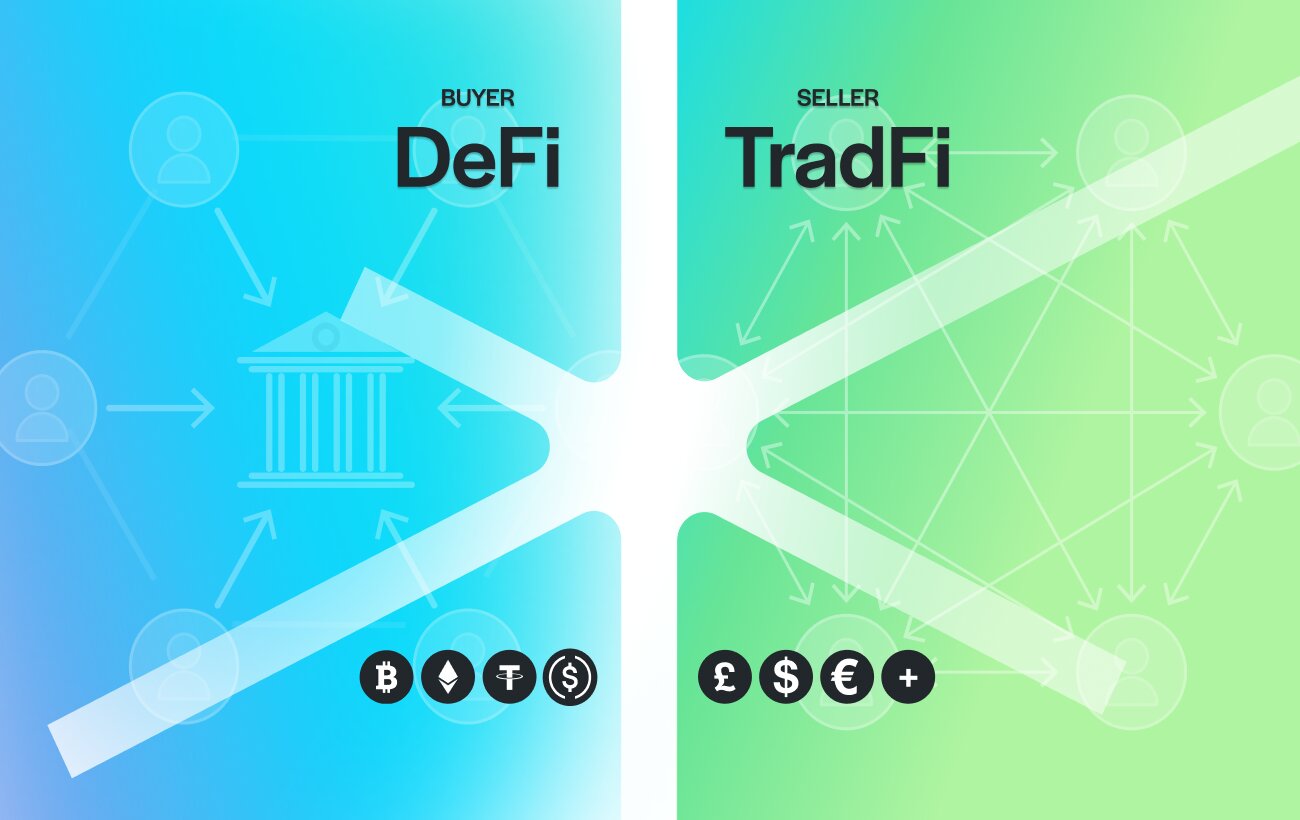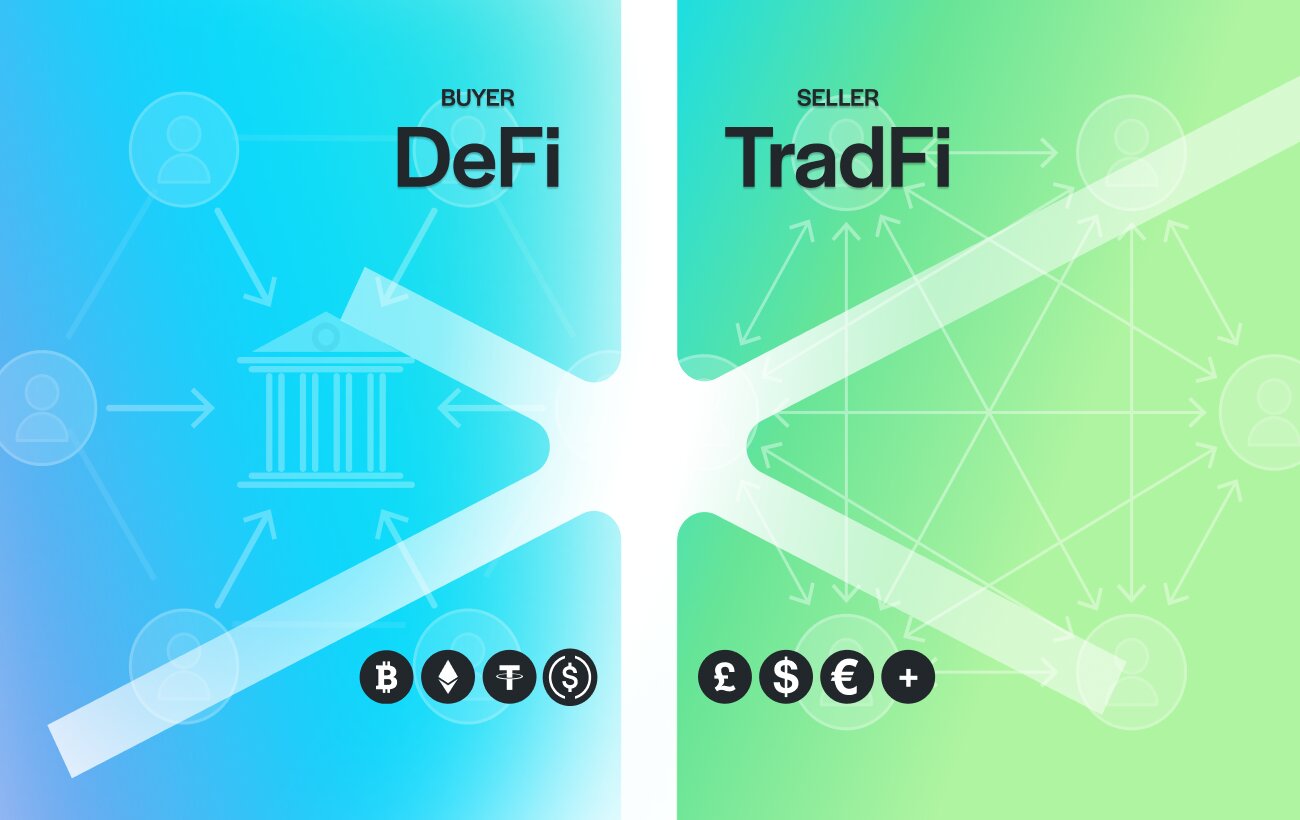
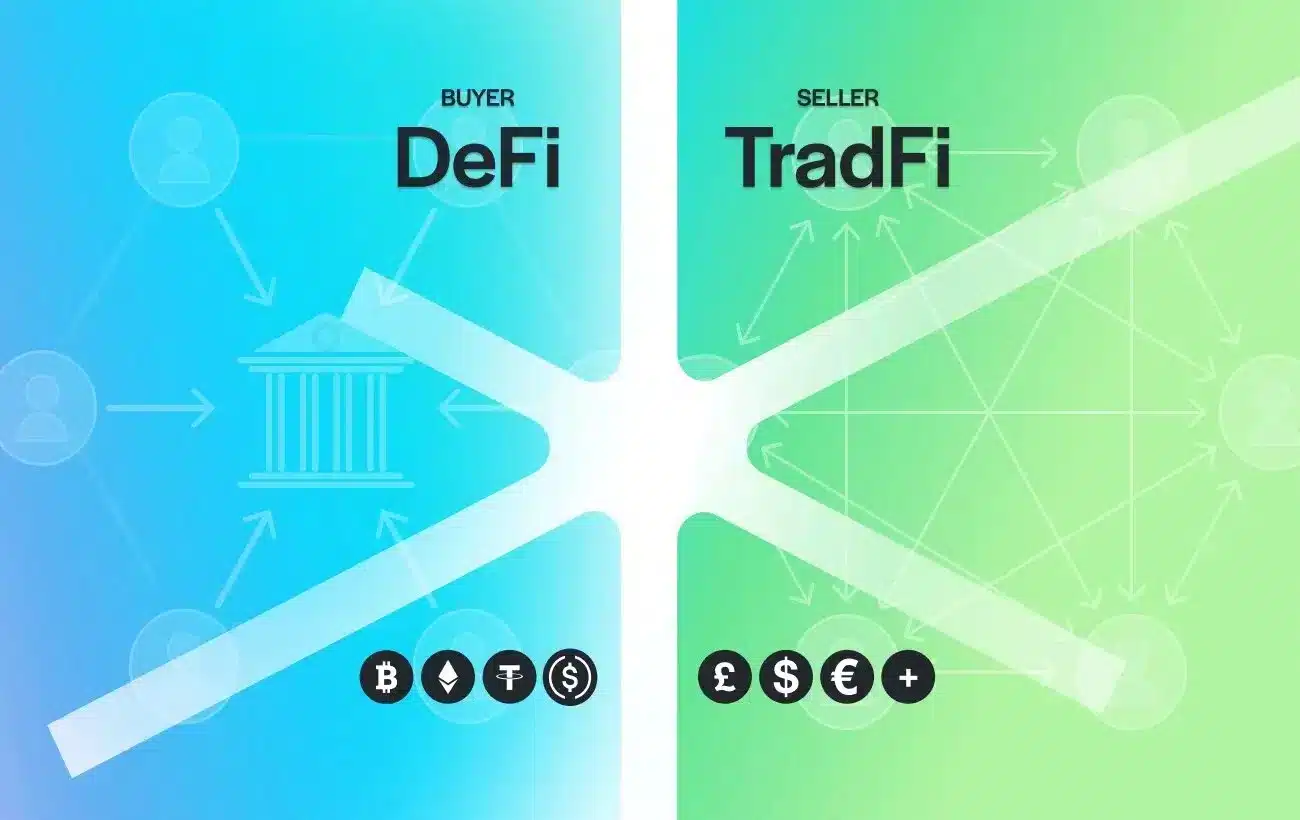
TrustLinq lets you pay anyone worldwide in fiat using crypto: you put stablecoins in, the recipient receives fiat in their local bank account. No exchange account, no off-ramp to your own account first, and no currency conversion delays. With support for over 80 fiat currencies, 170-plus countries, and 60-plus local payment corridors, TrustLinq connects your USDT (ERC-20 and TRC-20), USDC, EURC, and RLUSD to the payment infrastructure people actually use in every region. The recipient never sees or handles crypto. They receive a domestic fiat payment in their own currency, through the same local banking network they use every day.
The Problem with Traditional Cross-Border Bank Transfers
When you send money internationally through a conventional bank, your payment travels through the SWIFT network and passes through one or more correspondent banks before it reaches the destination. Each correspondent bank in the chain can charge a fee, add a processing delay, and trigger additional compliance checks. A payment routed from Europe to Asia may pass through three or four correspondent banks, arrive 2 to 5 business days later, and reach the recipient with undisclosed deductions taken out along the way. According to the World Bank’s correspondent banking data, the number of active correspondent banking relationships has been declining globally as compliance costs rise, making cross-border bank transfers slower and more expensive in many corridors. For context on why traditional cross-border infrastructure creates friction for crypto holders, read our analysis of why crypto exchanges are built for trading, not payments.
How TrustLinq Settles Locally Without SWIFT
TrustLinq bypasses the SWIFT correspondent chain entirely. When you pay anyone worldwide in fiat using crypto through TrustLinq, your stablecoins are converted and the resulting fiat is settled via a local bank transfer in the recipient’s country. TrustLinq maintains banking infrastructure across 60-plus local payment corridors globally, which means the fiat payment is executed domestically within the recipient’s own banking system rather than arriving as an international wire. There are no correspondent banks in the chain, no SWIFT processing delays, and no intermediary fees deducted from the amount the recipient actually receives.
The recipient receives a domestic bank transfer in their local currency. The payment looks and functions like a local bank transfer to the recipient because that is exactly what it is. For more on the underlying settlement architecture, see our guide to crypto-funded fiat settlement.
What “60+ Local Payment Corridors” Actually Means
A payment corridor, in TrustLinq’s context, refers to a specific route between the stablecoin origin and a destination country’s local banking system. The 60-plus corridors TrustLinq supports represent the countries and regions where it has established local banking infrastructure capable of executing fiat settlements domestically. Coverage spans Europe, the Americas, Asia-Pacific, the Middle East, and Africa, across more than 80 fiat currencies in 170-plus countries.
Rather than routing every cross-border payment through a global correspondent banking chain, each corridor is serviced by local banking partners in the destination market. This is what allows payments to settle in hours rather than days, with no deductions from intermediary banks, regardless of which country the recipient holds their account in. For businesses making regular cross-border payments, this consistency matters: the recipient receives exactly the fiat amount you initiated, every time.
Key Regions TrustLinq Covers
Europe
In Europe, bank transfers are standardised through SEPA (Single Euro Payments Area), which covers 36 countries and allows domestic-quality euro bank transfers to settle within one business day. SEPA Instant settles within 10 seconds around the clock. When you pay anyone worldwide in fiat using crypto and the recipient holds a European bank account, TrustLinq settles via the SEPA network, delivering a standard domestic euro bank transfer with no international wire fees or correspondent banking overhead. If you hold USDT (ERC-20 or TRC-20), USDC, EURC, or RLUSD, TrustLinq converts and routes the fiat directly into the recipient’s IBAN.
The Americas
For recipients in North America, Latin America, and the Caribbean, TrustLinq’s local banking corridors cover the major currencies of the region, including USD, CAD, BRL, MXN, and others. Bank transfers are executed locally within each country’s national banking infrastructure rather than routing as correspondent-bank international wires. A payment to a recipient in Brazil settles in Brazilian reais through a domestic bank transfer. A payment to a recipient in Mexico settles in pesos through local banking rails. The recipient receives a local credit, not an international wire arrival.
Asia-Pacific
Across Asia-Pacific, TrustLinq’s corridors cover major economies including India, Singapore, Hong Kong, Australia, Japan, and others, settling in local currencies through domestic bank transfer networks. Recipients in the region receive local bank credits in their own currency with no international wire deductions. For businesses paying contractors, employees, or suppliers across Asia-Pacific from a stablecoin wallet, this eliminates the correspondent banking overhead that typically adds days and unpredictable fees to cross-border bank wires in the region. See our guide to paying international contractors with crypto for how this works in practice.
Middle East and Africa
TrustLinq’s coverage extends across the Middle East and Africa, supporting fiat settlement in local currencies for recipients holding bank accounts in the region. For businesses paying suppliers, contractors, or employees across these markets, settlements are executed through local banking relationships in the destination country, removing the correspondent banking chain that typically makes these corridors slow and costly.
Why Local Settlement Changes the Payment Economics
The traditional route for making a cross-border fiat payment from a crypto wallet involves converting to fiat on an exchange, withdrawing to your own bank account, and then sending an international SWIFT wire to the recipient. That process incurs exchange fees, withdrawal fees, and SWIFT wire fees, and routes through correspondent banking intermediaries who may deduct additional charges before the payment arrives. When you pay anyone worldwide in fiat using crypto through TrustLinq, a single flat conversion fee covers the entire journey from your USDT (ERC-20 or TRC-20), USDC, EURC, or RLUSD to the recipient’s local bank account. No intermediary deductions. No correspondent banking delays. The recipient receives the full fiat amount you sent.
TrustLinq’s non-custodial architecture means your stablecoins remain under your control until the moment of conversion. There is no exchange custody risk, no withdrawal limit, and no geographic restriction beyond the 170-plus countries TrustLinq covers. For more on the full range of fiat payment use cases this enables, see our overview of sending money abroad with crypto and our guide to non-custodial crypto payments.
Frequently Asked Questions
A local payment corridor is a country or region where TrustLinq has established local banking infrastructure to execute domestic bank transfers in the local currency. Rather than routing payments through the SWIFT correspondent banking network, TrustLinq settles fiat directly within the recipient’s local banking system, giving faster settlement and no intermediary deductions.
No. The recipient receives a standard domestic bank transfer in their local currency. They have no visibility of the crypto origin and do not need a crypto wallet or any knowledge of blockchain. TrustLinq handles all conversion entirely on the sender side.
TrustLinq supports USDT (ERC-20 and TRC-20), USDC, EURC, and RLUSD. Any of these can be used to fund fiat bank transfer payments in any of TrustLinq’s 170-plus supported countries across 80-plus fiat currencies.
Yes, significantly. International SWIFT wires take 2 to 5 business days and incur correspondent banking fees at each hop. TrustLinq’s local bank transfer corridors settle in hours rather than days, and the recipient receives the full fiat amount with no intermediary deductions.
TrustLinq covers 170-plus countries across 60-plus local payment corridors, supporting over 80 fiat currencies. Coverage spans Europe, the Americas, Asia-Pacific, the Middle East, and Africa, with fiat settlement executed as domestic bank transfers in each destination market.
Use Your Crypto for Real-World Payments
TrustLinq enables crypto-funded fiat settlement for individuals and businesses worldwide. Register once and pay any third party using your self-custodial crypto.