Most bills arrive as bank transfer requests. Your landlord sends you an IBAN. The university sends a payment reference. An insurance company quotes a premium in euros or dollars. None of them accept crypto. If you hold USDT (ERC-20 or TRC-20), USDC, EURC, or RLUSD and need to meet fiat payment obligations, the obvious route, sell on an exchange, withdraw to a bank, then transfer the funds, is slow, expensive, and requires you to have a bank account in the first place. TrustLinq solves this directly. You pay bills with crypto by sending stablecoins from your own wallet. The bill recipient receives a standard fiat bank transfer. No exchange needed. No bank account required on your side. Recipients need no crypto knowledge on their end.
Can You Pay Bills with Crypto?
Yes. You cannot send crypto directly to a landlord, university, or utility provider and have them receive fiat. That is not how crypto works. What TrustLinq makes possible is different. You fund the payment from your own crypto wallet, and TrustLinq executes a local fiat bank transfer to the recipient. From the recipient’s perspective, they receive a standard bank credit in their currency. They never interact with crypto at any point.
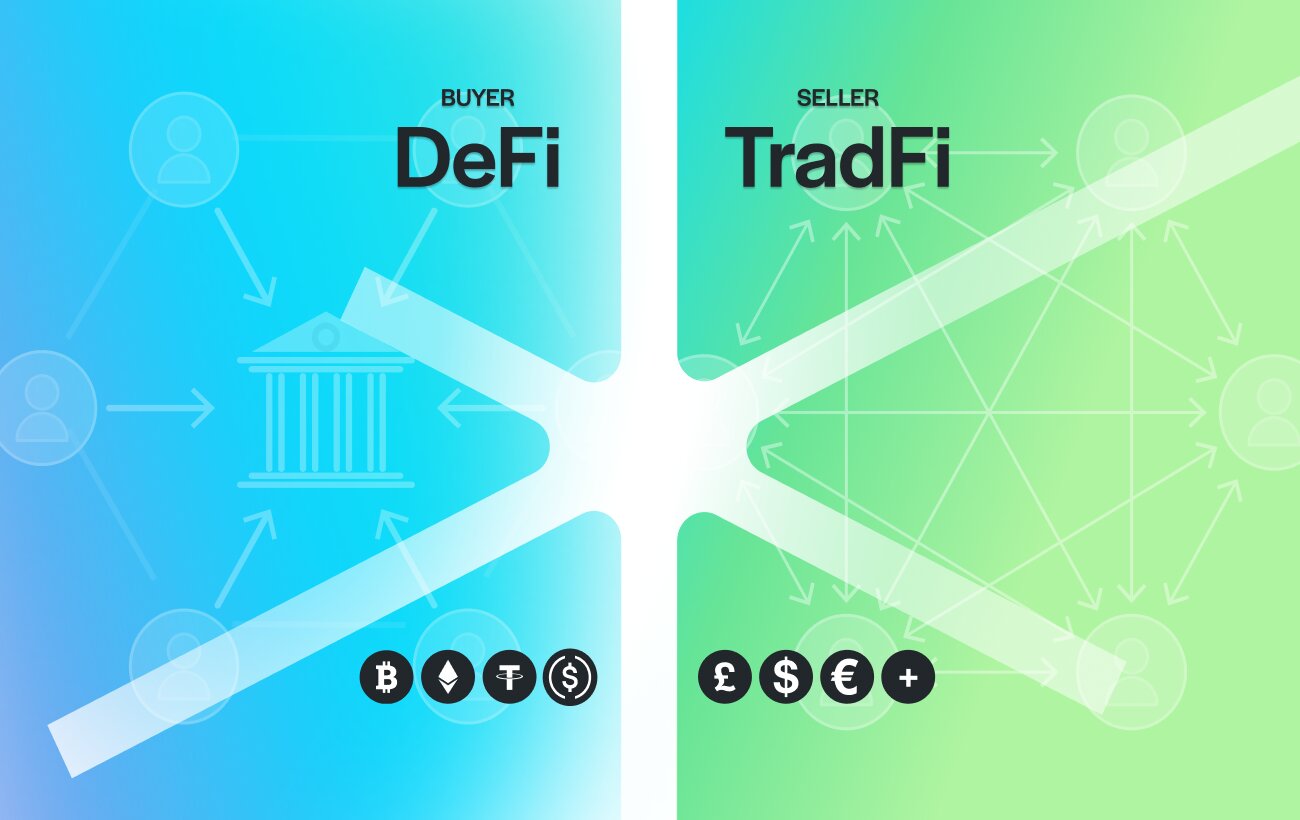
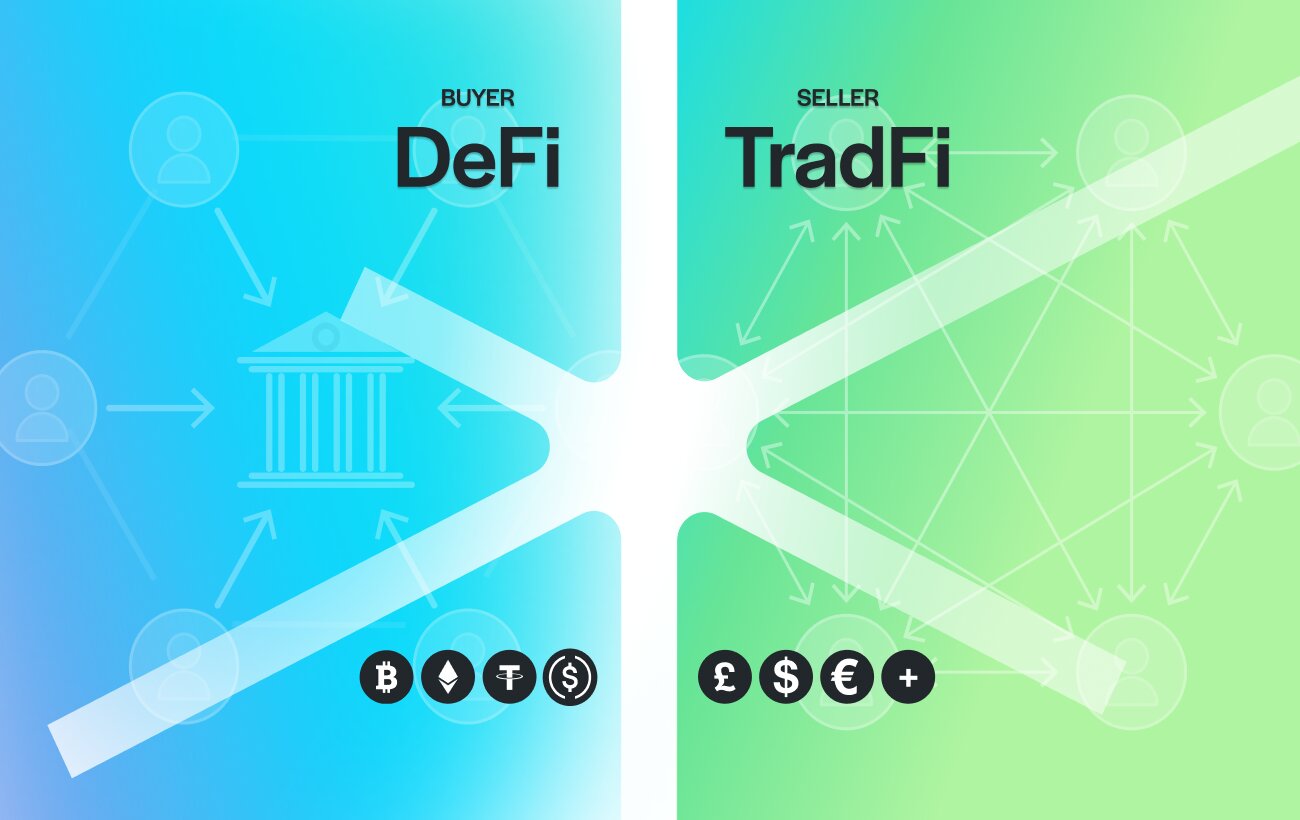
This is not an off-ramp in the traditional sense. Traditional off-ramps convert crypto into your own bank account. TrustLinq converts crypto into a third-party bank transfer, going directly to whoever is owed the payment. For a full explanation of how this settlement model works, see our guide to crypto-funded fiat settlement.
It is also worth understanding how TrustLinq differs from biller-network services. Some platforms let you pay bills with crypto only if the recipient is pre-approved in their database. Your landlord, your notary, or your foreign university will not be on that list. TrustLinq requires no pre-approval. Any recipient with a bank account in any of the 170 supported countries can receive payment. You enter their bank details directly. There is no biller list, no restriction to domestic providers, and no requirement for the recipient to be registered anywhere.
What Types of Bills Can You Pay with Crypto?
Any bill that comes with a bank account number as the payment destination is payable through TrustLinq. The coverage spans 170 countries, 80 fiat currencies, and more than 60 local payment corridors.
Rent and Housing Costs
Paying rent is one of the most common reasons people look for a way to pay bills with crypto. Your landlord expects a bank transfer. They are not going to set up a crypto wallet or learn how stablecoins work. With TrustLinq, you send stablecoins from your own wallet and your landlord receives a domestic bank credit in their currency. The transfer looks identical to any other rent payment on their end.
This matters particularly for expats, digital nomads, and people paying rent in a country where they do not have a local bank account. For a dedicated walkthrough, see our guide to paying rent with crypto.
Utility Bills
Electricity, gas, water, internet, and mobile phone bills can all be settled via TrustLinq wherever the provider accepts bank transfers. You enter the provider’s bank account details and the amount due. TrustLinq handles the fiat settlement. The provider receives payment like any other bank transfer.
University and Education Fees
University tuition, student accommodation fees, language school invoices, and professional course fees often need to be paid internationally. Converting stablecoins to fiat and wiring funds involves multiple steps and correspondent banking fees. TrustLinq compresses this into a single payment from your wallet to the institution’s bank account. The full guide to paying university tuition with crypto covers the specific documentation and process in more detail.
Legal and Professional Fees
Law firms, notaries, accountants, and other professional service providers issue invoices in fiat. Many operate across multiple jurisdictions and bill internationally. Paying these fees from a stablecoin wallet through TrustLinq means the recipient receives a clean bank transfer. There is no crypto on their side and no compliance issue for them to manage. For more on this use case, see our guide to paying legal fees with crypto.
Insurance Premiums
Annual and monthly insurance premiums are recurring fiat obligations. Whether you hold health insurance in another country, property insurance abroad, or any other type of premium billed in a foreign currency, TrustLinq can execute the fiat payment directly from your stablecoin wallet. The insurer receives a standard bank transfer with no crypto involvement on their end.
Mortgage Payments
For property owners whose mortgage is denominated in a currency they do not hold in fiat, TrustLinq provides a direct route. You fund the payment in stablecoins and TrustLinq settles it as a local fiat bank transfer to the lender. This is particularly useful for international property owners who hold stablecoin wealth rather than accounts in each currency.
Paying Bills in Another Country from Abroad
A large portion of people who search for ways to pay bills with crypto are dealing with an international payment problem. They live in one country and need to pay a bill in another, or they have recently moved and no longer have local banking access in the country where their bill is due.
Paying Bills in Dubai and the UAE from Abroad
The UAE imposes no income tax, which makes it attractive for freelancers and remote workers. However, many landlords and service providers in Dubai require payment via UAE bank transfer. If you are based outside the UAE and hold stablecoins rather than AED in a local account, TrustLinq can settle the payment directly. You send stablecoins, and the recipient receives a UAE bank transfer in AED. No UAE bank account is needed on your side.
Paying Bills in the Netherlands from Abroad
Dutch landlords and utility providers operate almost entirely through IBAN bank transfers. If you have moved out of the Netherlands but still have bills due, or if you are moving there and want to pay a deposit before your Dutch bank account is active, TrustLinq can handle the euro-denominated payment via SEPA. The recipient receives a standard SEPA credit transfer.
Paying US Bills While Living Abroad
US rent, insurance, and utility bills often need to be paid by US bank transfer (ACH). If you are living abroad and have let your US bank account lapse, or if you simply prefer to hold stablecoins rather than keep a USD account active, TrustLinq can route the payment as a domestic ACH transfer to the US recipient. The process is the same as any other TrustLinq payment. You send stablecoins, they receive USD.
Paying Bills with USDT and Other Stablecoins
TrustLinq supports USDT (ERC-20 and TRC-20), USDC, EURC, and RLUSD. USDT is the most widely held stablecoin by volume and the most common funding asset used on the platform. Paying bills with USDT works the same way as paying with any other supported stablecoin. You send USDT from your self-custodial wallet to a one-time Vault address. TrustLinq converts it to fiat and executes a local bank transfer to the recipient.
USDT on ERC-20 (Ethereum) and TRC-20 (Tron) are both supported. USDC is the primary alternative for users who prefer a fully USD-backed, US-regulated stablecoin. EURC is available for euro-denominated bills, providing a direct euro-to-euro settlement path. RLUSD is supported for users operating within the Ripple ecosystem. All four stablecoins reach the same destination: a fiat bank account in the recipient’s local currency.
How to Pay Bills with Crypto Using TrustLinq
The process is built to be as simple as a bank transfer from the payer’s side.
Step by Step
Register with TrustLinq and complete identity verification once. When a bill is due, log in and enter the recipient’s bank account details, the amount, and the fiat currency. TrustLinq calculates the exact stablecoin amount at the current rate and generates a one-time Vault address. Send that amount from your self-custodial wallet. The smart contract processes AML compliance and triggers the fiat bank transfer. Most payments settle within hours. The recipient sees a standard bank credit in their local currency.
Your stablecoins stay in your own wallet until you initiate a payment. TrustLinq does not hold funds between transactions. There is no custodial risk and no withdrawal limits. For a broader overview of the non-custodial model, see our guide to non-custodial crypto payments.
Why the Recipient Receives a Normal Bank Transfer
This is the detail that makes TrustLinq different from any other crypto payment tool. The recipient does not receive crypto. They receive fiat. A landlord in Berlin receives euros. The university in Singapore receives SGD. US utility providers receive USD in their local account.
According to Bank for International Settlements data on cross-border payments, correspondent banking routes add cost and delay to international fiat transfers. TrustLinq bypasses this entirely by using local bank transfer infrastructure in the destination country. There is no SWIFT routing and no correspondent banking deduction on the recipient’s end. The bill gets paid in full, in local currency, directly to the recipient’s account.
Frequently Asked Questions
Yes. Recipients do not need to know or care that the payment originated in crypto. They provide their bank account details as usual and receive a fiat bank transfer in their local currency. Nothing about their payment process changes.
TrustLinq supports USDT (ERC-20 and TRC-20), USDC, EURC, and RLUSD. Any of these can fund fiat bill payments in 80 fiat currencies across 170 countries via local bank transfer infrastructure.
No. TrustLinq sends the fiat directly from your stablecoin wallet to the recipient’s bank account. You do not need a personal bank account on your side. This is one of the core reasons people use TrustLinq: it gives crypto holders a way to meet fiat payment obligations without maintaining bank accounts in multiple countries.
Most payments settle within a few hours of the stablecoin deposit being confirmed on-chain. SEPA payments in Europe and Faster Payments in the UK typically arrive the same day. US ACH and other corridors may take up to one business day depending on the local clearing system.
Regulation and Non-Custodial Settlement
Yes. TrustLinq holds SO-FIT licence 1531 and operates under FINMA supervision as a Swiss financial intermediary. Every payment is screened for AML compliance before fiat is released to the recipient. Swiss financial law applies to all transactions.
TrustLinq covers 170 countries and 80 fiat currencies. Most countries with functioning bank transfer infrastructure are supported. You can check the full list on the coverage page before initiating a payment.
Your stablecoins remain in your own self-custodial wallet until the moment of conversion. TrustLinq does not hold your funds at any point between payments. The smart contract processes AML and releases fiat to the recipient only after compliance checks are complete. The platform operates under Swiss financial regulation with full FINMA oversight.
Start Paying Your Bills with Crypto Today
TrustLinq converts your USDT (ERC-20 and TRC-20), USDC, EURC, and RLUSD into fiat bank transfers for any bill recipient worldwide. Register once and pay rent, utilities, tuition, legal fees, or any other bill directly from your wallet.