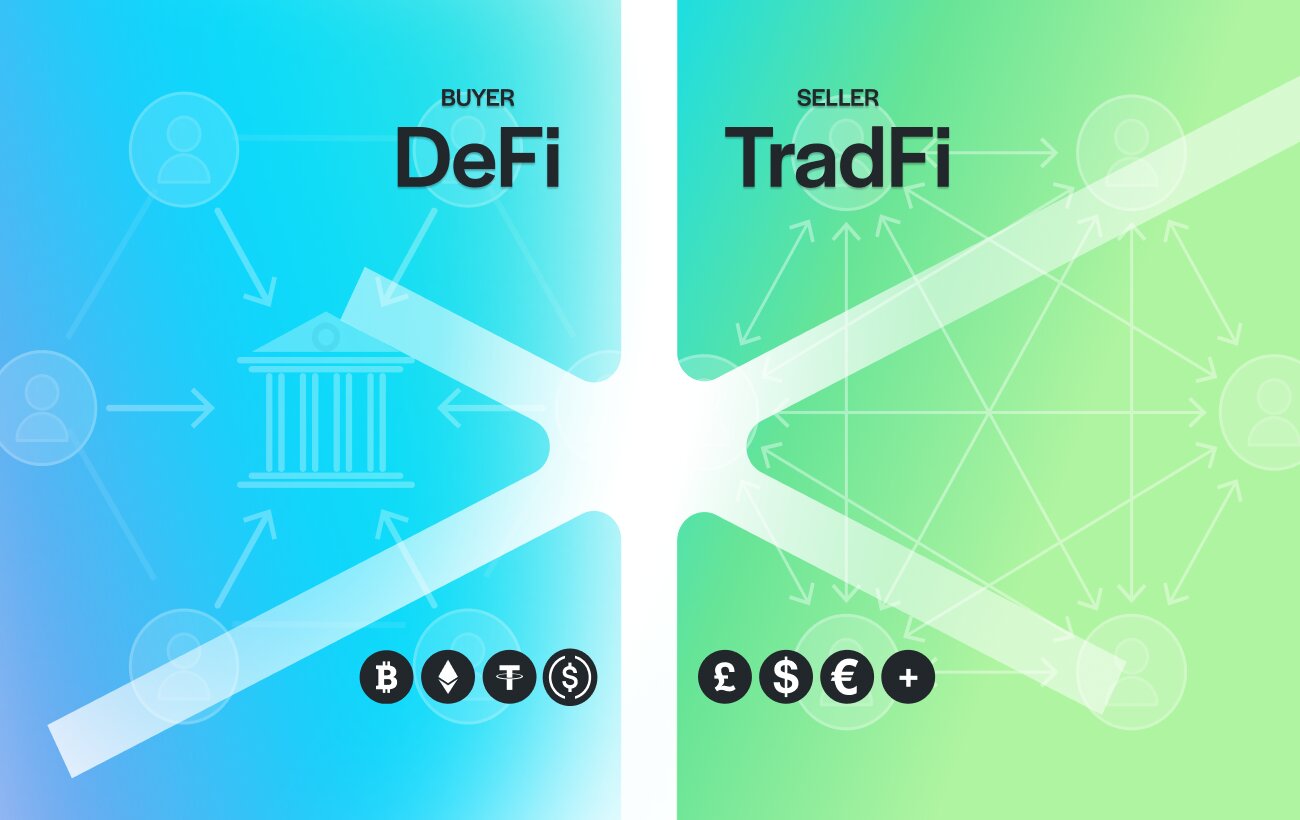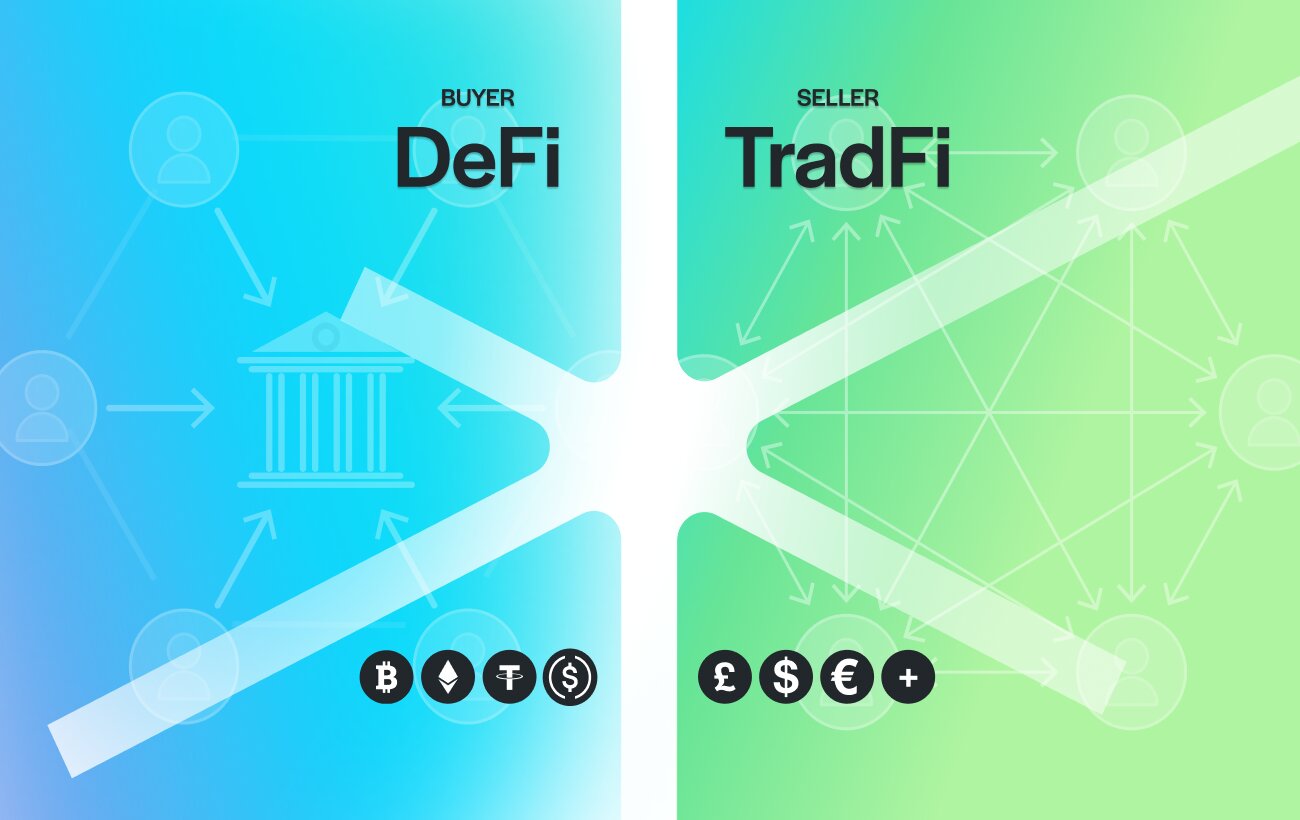
When a supplier sends an invoice, they expect a fiat bank transfer. Not crypto, not a wallet address, not a conversion request. Just fiat in their account. That expectation has made it hard to pay invoices with crypto. The obvious path is to sell on an exchange, withdraw to your bank, then wire the funds. That process is slow, expensive, and requires a fiat bank account on your side. TrustLinq removes all three of those barriers. You pay invoices with crypto by sending USDT (ERC-20 or TRC-20), USDC, EURC, or RLUSD from your own wallet. The recipient receives a standard fiat bank transfer in their local currency. No exchange. No personal bank account required. No setup needed on theirs.
Why Invoice Recipients Will Not Accept Crypto Directly
The vast majority of businesses and professionals issue invoices in fiat. Their accounting software records revenue in local currency. Their tax obligations are denominated in the same. Asking a supplier or contractor to accept USDT means asking them to change their accounting process. It also means taking on currency risk and dealing with unclear tax treatment. In practice, almost none of them will do it.
This is not a problem with crypto. It is a structural feature of how the economy works. The solution is not to change how recipients get paid. It is to give the payer a way to use crypto while the recipient gets exactly what they already expect. That is what TrustLinq provides. For a full overview of how the settlement model works, see our guide to crypto-funded fiat settlement.
What Types of Invoices You Can Pay with Crypto
Any invoice with a bank account as the payment destination is payable through TrustLinq. The recipient does not need to know the payment originated in crypto.
Supplier and Vendor Invoices
Businesses holding stablecoin treasury can settle supplier and vendor invoices directly from their wallet. No prior conversion to fiat is required. A company can hold USDT (ERC-20 and TRC-20), USDC, EURC, and RLUSD and pay a supplier in Germany in euros, a manufacturer in China in yuan, or a logistics provider in Singapore in SGD. All payments come from the same stablecoin balance. Each recipient receives a local fiat bank transfer in their own currency. For more on managing cross-border supplier payments from crypto, see our guide to paying international contractors with crypto.
Contractor and Freelancer Invoices
Independent contractors and freelancers typically invoice in their local currency. Paying them via a traditional international wire involves exchange fees, SWIFT charges, and delays. With TrustLinq, you fund the payment from your stablecoin wallet. The contractor receives a domestic bank transfer in their currency within hours. The payment process on their end is identical to receiving any other bank transfer.
Professional Services
Legal fees, accounting invoices, consulting retainers, and architect fees can all be settled via TrustLinq. This is particularly useful for individuals and businesses that hold stablecoin wealth but operate across multiple jurisdictions. The professional receives a standard bank transfer. Their invoicing and reconciliation processes are unaffected.
Recurring Business Expenses
Software subscriptions, agency fees, co-working memberships, and any recurring business expense that comes with a bank transfer invoice can be paid via TrustLinq. This turns a stablecoin balance from a passive treasury asset into an active operational account. For a broader look at running business expenses from crypto, see our guide to using crypto for business expenses.
How to Pay Invoices with Crypto Using TrustLinq
The process is designed to be as close as possible to a normal bank transfer, from the payer’s perspective.
Step by Step
Register with TrustLinq once and complete identity verification. When an invoice arrives, enter the recipient’s bank details and the invoice amount in their fiat currency. TrustLinq generates a one-time Vault address and shows the exact stablecoin amount required at the current conversion rate. Send that amount from your self-custodial wallet to the Vault. TrustLinq’s smart contract processes AML compliance and executes a local fiat bank transfer directly to the recipient’s account. Most payments settle within hours. The recipient receives a standard domestic bank transfer with no reference to crypto.
Supported stablecoins are USDT (ERC-20 and TRC-20), USDC, EURC, and RLUSD. Settlement covers 80-plus fiat currencies across 170-plus countries via local bank transfer infrastructure. Your stablecoins remain in your control until the moment of conversion. There is no custodial counterparty risk and no withdrawal limits to work around.
No Personal Bank Account Required
When you pay invoices with crypto through TrustLinq, you do not need a personal bank account. The payment goes directly from your stablecoin wallet to the recipient’s bank account. This matters for digital nomads and expats living between countries. It also applies to crypto-native individuals whose main liquid assets are stablecoins rather than fiat.
According to World Bank financial inclusion data, over 1.4 billion adults globally remain unbanked. Many more are underbanked with limited access to international wire services. TrustLinq provides a direct route to paying invoices globally without depending on local banking access. For a full walkthrough, see our dedicated guide to paying invoices with crypto without a bank account.
Compliance and Regulation
TrustLinq holds the SO-FIT licence 1531 and operates as a Swiss financial intermediary under FINMA supervision. Every payment is screened for AML compliance before fiat is released to the recipient. Swiss financial law applies to all transactions. This provides the legal framework for TrustLinq to execute legitimate bank transfers on behalf of crypto holders globally. For recipients and their banks, each payment arrives as a compliant fiat bank transfer from a regulated intermediary.
This regulatory standing matters when paying invoices with crypto to professional services firms. Law firms and accountancy practices have their own compliance obligations around payment sources. TrustLinq processes AML on the sender side and issues fiat. The recipient has no crypto exposure and no compliance issue to manage. For a broader look at how stablecoin payment regulation affects businesses in 2026, see our guide on stablecoin regulation 2026.
Frequently Asked Questions
Any invoice where the recipient has a bank account, yes. TrustLinq supports payments to bank accounts in 170-plus countries across 80-plus fiat currencies. Supplier invoices, contractor fees, professional service bills, recurring business expenses, and personal invoices such as rent can all be paid this way.
No. They provide their standard bank account details and receive a fiat bank transfer in their local currency. Nothing about their invoicing or reconciliation process changes. The crypto layer is entirely on your side.
TrustLinq supports USDT (ERC-20 and TRC-20), USDC, EURC, and RLUSD. Any of these can fund fiat invoice payments in 80-plus currencies via local bank transfer infrastructure.
Most payments settle within a few hours of the stablecoin deposit being confirmed on-chain. Settlement speed depends on the destination country’s bank transfer infrastructure. European SEPA payments and UK Faster Payments typically arrive within hours. Other corridors may take up to one business day.
About Non-Custodial Settlement and Regulation
No. TrustLinq sends the fiat directly from your stablecoin wallet to the recipient’s bank account. Your own bank account is never part of the process. This is particularly useful for digital nomads, expats, and crypto-native individuals who do not have local banking access.
Yes. TrustLinq holds SO-FIT licence 1531 and operates under FINMA supervision as a Swiss financial intermediary. AML compliance is processed on every payment before fiat is released to the recipient, providing a fully regulated settlement chain.
Sending crypto directly requires the recipient to have a wallet and accept the specific token. They also need to manage conversion and handle the tax implications of receiving crypto. Paying invoices with crypto through TrustLinq means the recipient gets a standard fiat bank transfer. They do not need to touch crypto at any point.
Start Paying Invoices with Your Crypto Today
TrustLinq converts your USDT (ERC-20 and TRC-20), USDC, EURC, and RLUSD into fiat bank transfers for any invoice recipient worldwide. Register once and pay any supplier, contractor, or service provider directly from your wallet.