Pay Legal Fees with Crypto: The 2026 Guide to Professional Services
As we move into 2026, the intersection of high finance and blockchain technology has become seamless. However, a common friction point remains for corporate entities and high-net-worth individuals: settling professional service invoices. While you may be using digital assets to fund your operations, your legal counsel or management consultants likely still require payment in traditional fiat currency.
This guide explains how to pay legal fees with crypto and settle professional consulting invoices without triggering compliance red flags at major global firms.
Why Top Firms Often Refuse Direct Crypto
Even the most “crypto-forward” legal and consulting firms—including the Big Four like EY or Accenture and major law firms like Ropes & Gray often have internal bank-mandated policies that prevent them from receiving wallet-to-wallet transfers. Their banks require a clear audit trail and a recognized source of funds to satisfy strict Anti-Money Laundering (AML) and Know Your Customer (KYC) regulations.
This is why you should follow the strategy in our guide on how to buy anything with crypto (link to Pillar). Instead of trying to convince a firm’s finance department to set up a corporate wallet, you can deliver a standard bank wire that is fully compliant with their existing accounting systems.
Settling Invoices for Global Giants
Whether you are working with a regional boutique or a global giant like Boston Consulting Group (BCG) or McKinsey, these entities operate on fixed-fiat retainers and success fees. In 2026, the most effective way to handle blockchain advisory fees crypto payments is through stablecoins.
By using USDT (ERC20 or TRC20), USDC, or EURC, you ensure that the exact dollar or euro amount on your legal retainer is paid in full. This eliminates the risk of Bitcoin volatility causing an underpayment, which could lead to a pause in your legal or consulting services.
How to Pay Your Professional Fees via TrustLinq
When your business reputation is on the line, you need a payment bridge that is as professional as the services you are receiving. In 2026, the industry standard is using a Swiss-regulated intermediary.
- Receive Your Invoice: Get your official fee note or retainer invoice with the firm’s bank account details (IBAN/SWIFT).
- Prepare Your Stablecoins: Convert your BTC or ETH into the required amount of USDC, USDT or EURC.
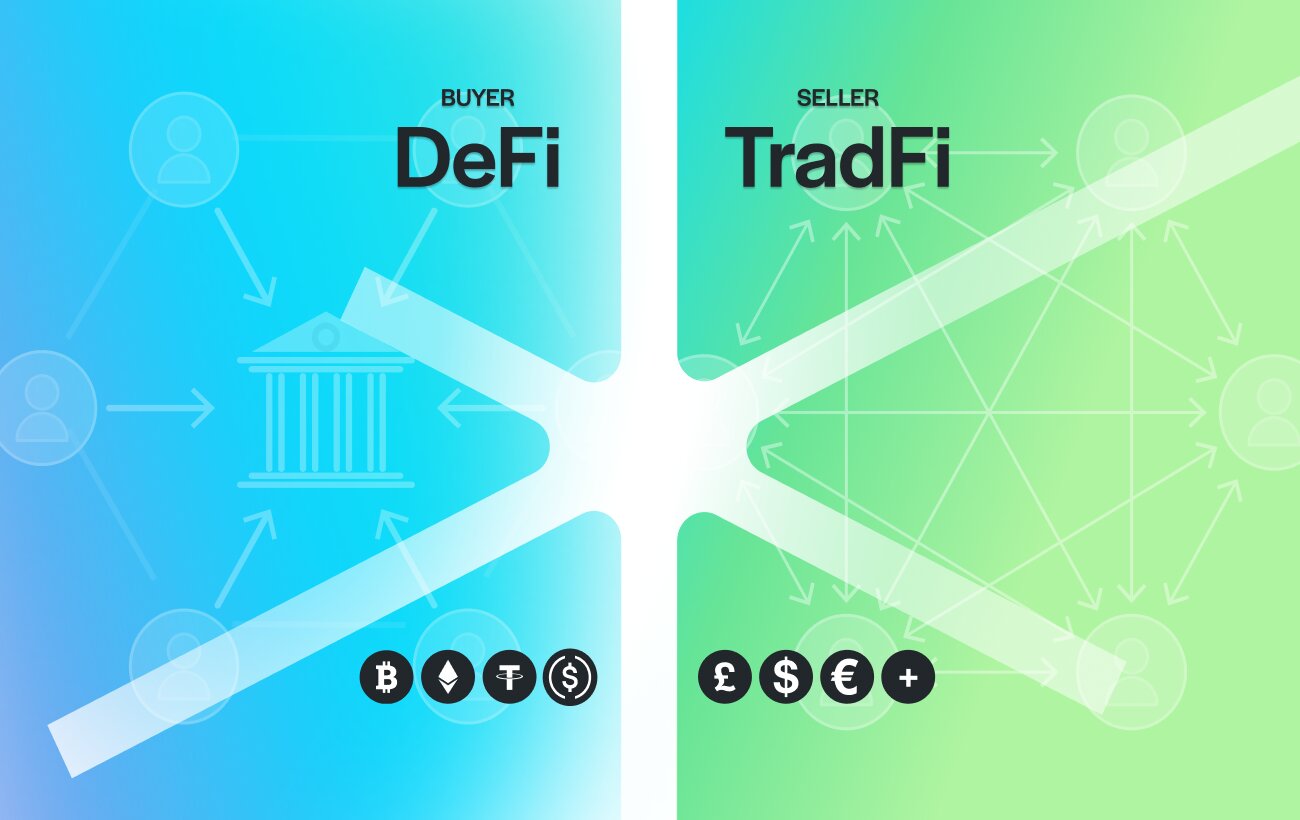
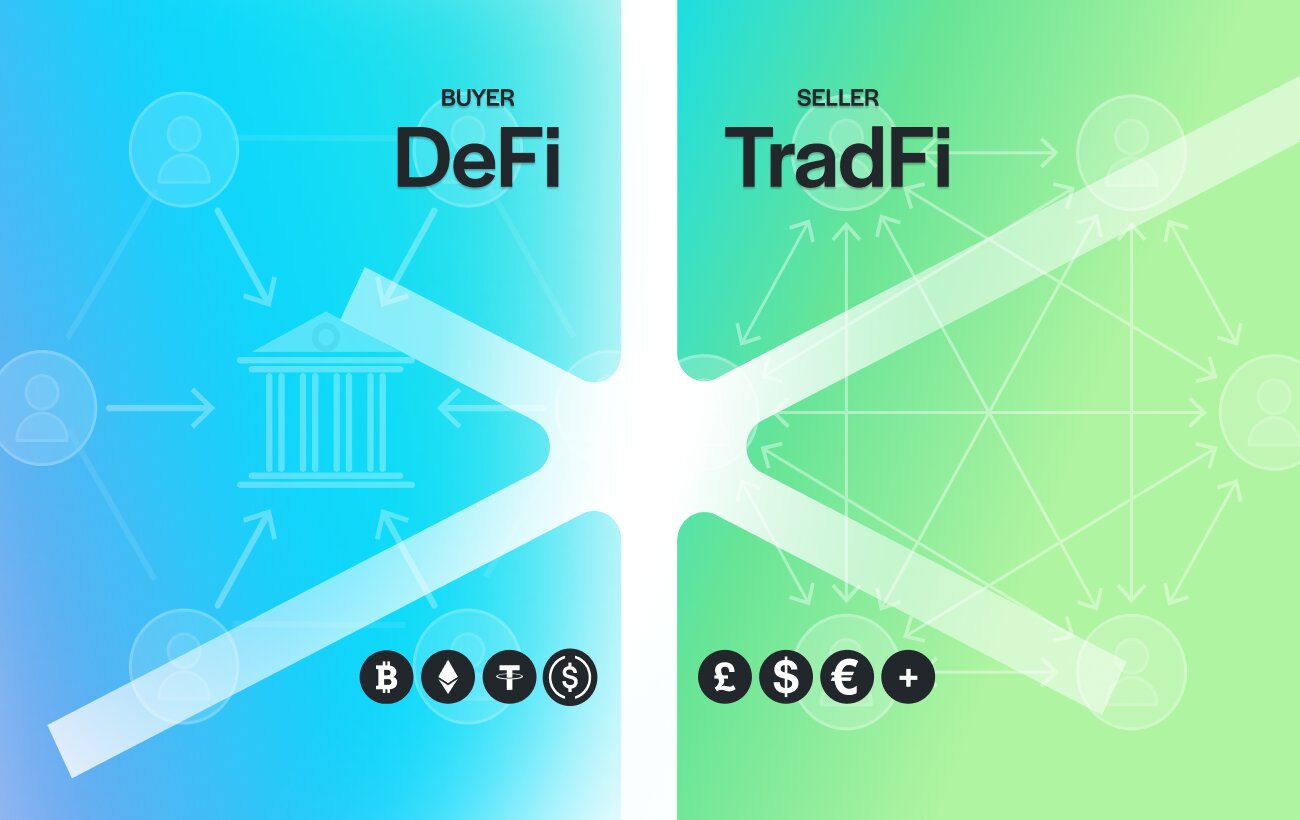
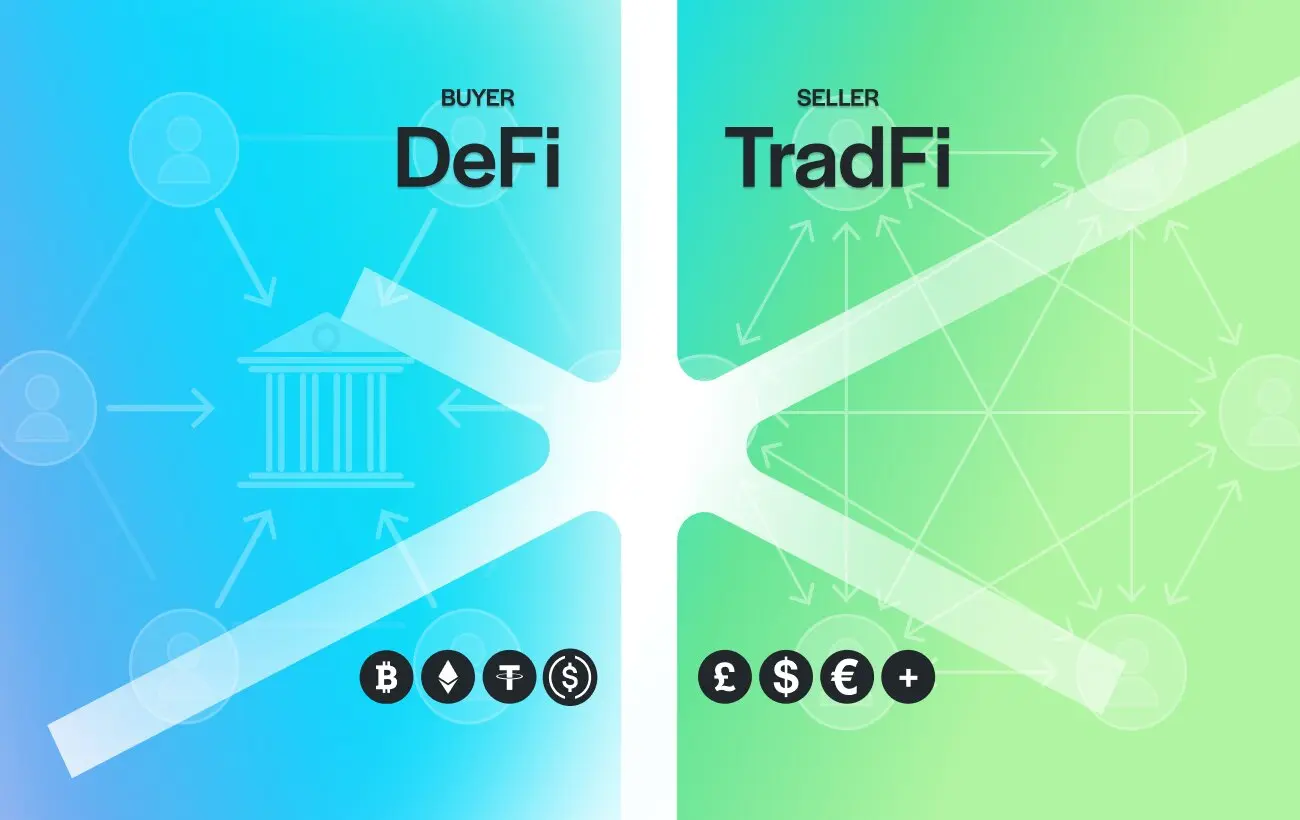
- Execute the Transfer: Use TrustLinq to pay any bank account worldwide with crypto.
- Institutional-Grade Settlement: TrustLinq sends the fiat wire to the firm. Because the funds arrive from a regulated Swiss entity, the firm’s bank recognizes the transfer as a standard, low-risk business payment.
Yes. From a legal standpoint, you are simply using an intermediary to settle a fiat debt. The firm receives a standard bank transfer, making it a routine transaction for their compliance team.
Absolutely. You can use TrustLinq to pay accounting firm with crypto by sending funds directly to the auditor’s bank account. This is particularly useful for crypto-native firms that want to maintain a blockchain-only treasury.
Because TrustLinq is a Swiss-regulated financial intermediary, every transfer we send is accompanied by the necessary compliance documentation. This provides your law firm or consultant with a “clean” paper trail, satisfying their internal risk management.
Professional Payments Without the Hassle
Your professional advisors should be focused on your strategy, not on how to navigate your crypto wallet. By bridging the gap between digital assets and traditional bank accounts, you can maintain your crypto-native operations while meeting your fiat obligations.
Ready to settle your next professional invoice? Sign up for TrustLinq today and pay your legal and consulting fees with Swiss-regulated security.