The tokenisation of real world assets has become one of the defining narratives of 2025 and 2026. BlackRock’s BUIDL fund, the world’s largest tokenised treasury product at close to $2 billion in assets, sits entirely on-chain. Ondo Finance’s tokenised US government bond products have attracted billions in capital. Franklin Templeton, JPMorgan, and a growing list of traditional institutions have put tokenised money market funds, bonds, and equities on public blockchains. Total tokenised real world assets on-chain surpassed $12 billion by early 2026. But as the on-chain economy grows, a question that nobody is asking loudly enough is emerging: once you hold tokenised wealth, how do you actually spend it in the physical world? Real world asset payments, the last mile of the tokenisation stack, remain largely unsolved. TrustLinq is building that layer.
What Is Getting Tokenised and Why It Matters
Real world asset tokenisation covers a wide range of asset classes. US Treasury bills and money market funds are the largest category, driven by institutional demand for on-chain yield with the safety profile of government debt. BlackRock’s BUIDL fund and Franklin Templeton’s FOBXX are the highest-profile examples. Private credit, real estate, and infrastructure are also being tokenised, giving retail and institutional investors access to asset classes previously locked to large-scale participants. Ondo Finance expanded into tokenised equities in late 2025, offering over 100 US stocks and ETFs that trade on-chain 24 hours a day, settling instantly rather than through the traditional T+2 cycle.
The reason this matters is that tokenisation removes barriers to entry, improves liquidity, and allows assets to be used as collateral or payment instruments in ways that traditional financial infrastructure does not support. According to Blocklr’s 2026 guide to RWA tokenisation, market forecasts project tokenised real world assets reaching $600 billion by 2030 and potentially $30 trillion by the end of the decade. At those scales, the question of how tokenised wealth connects to real world asset payments becomes a critical infrastructure problem.
The Last Mile Problem: Tokenised Wealth You Cannot Spend
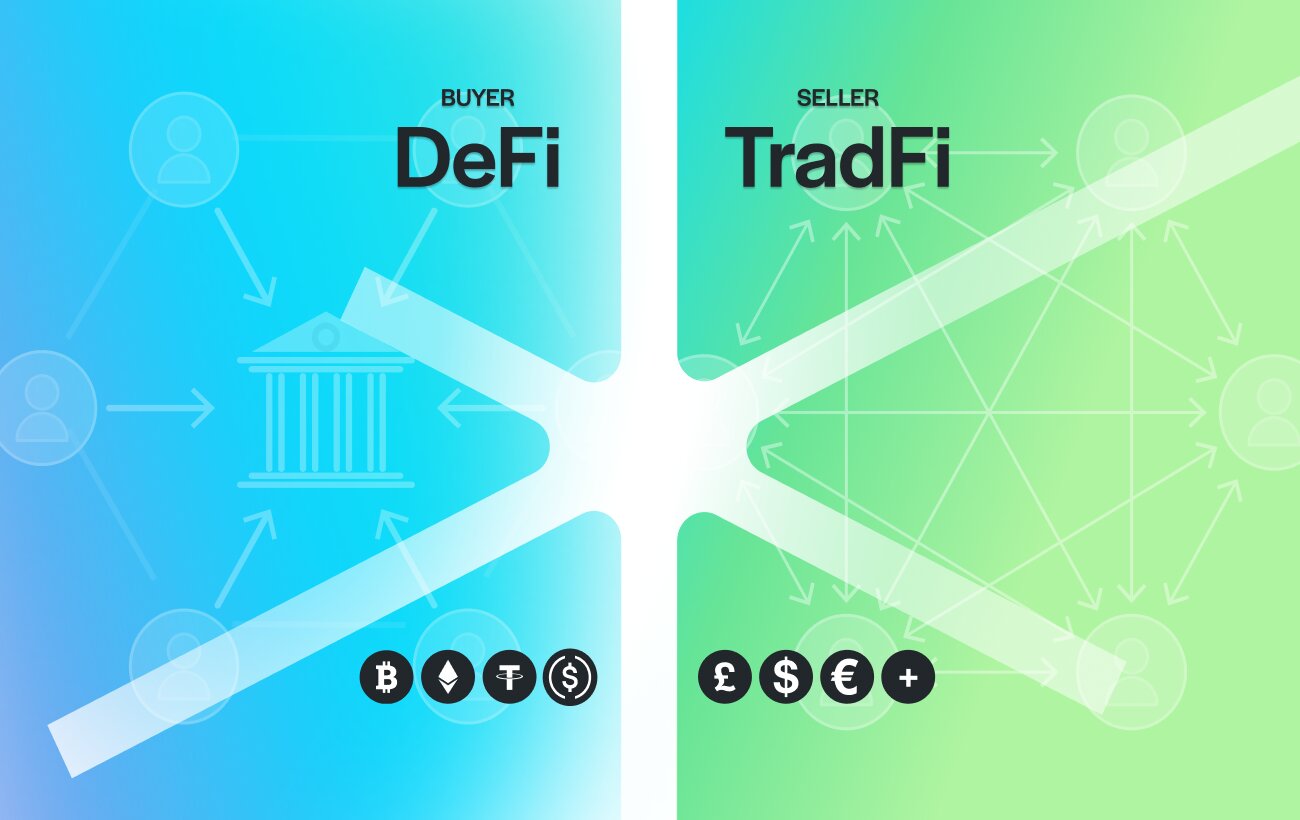
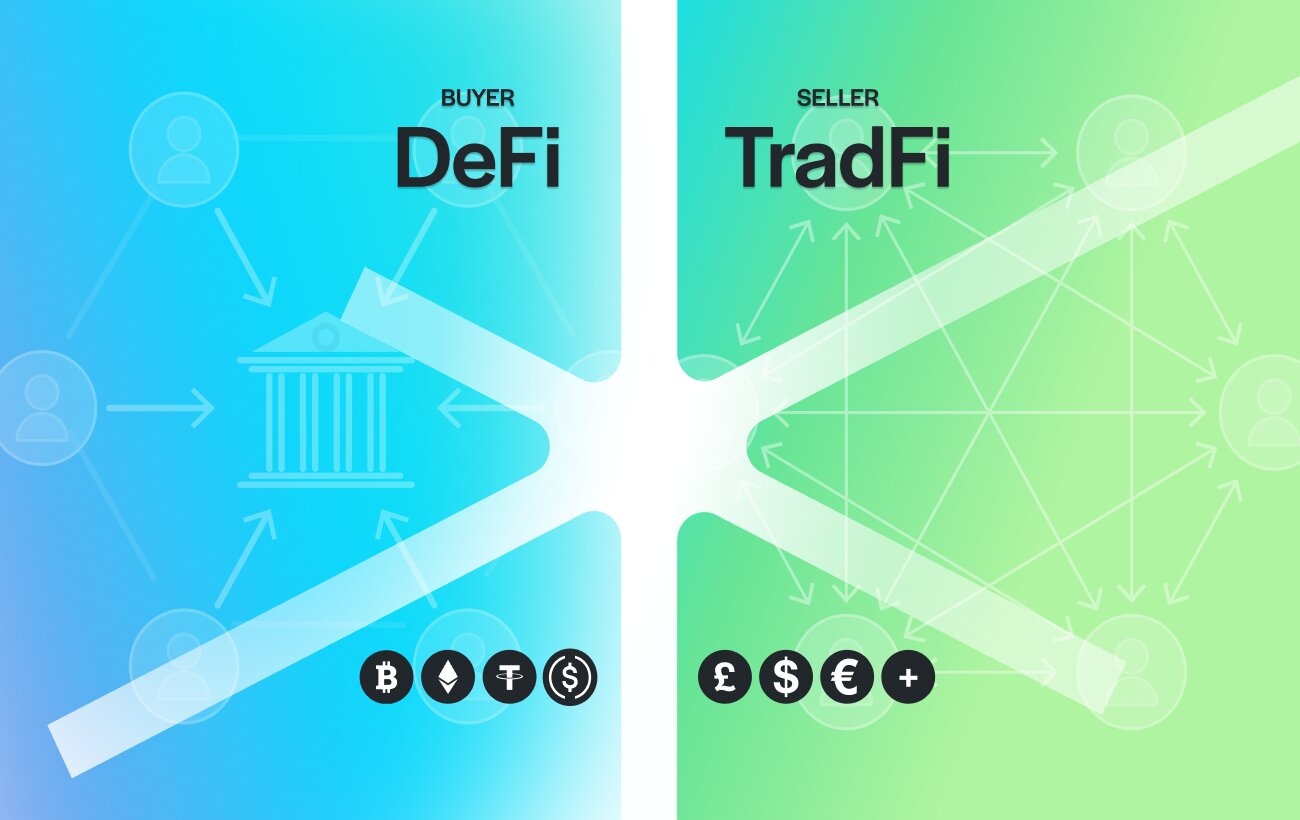
Here is the gap the RWA narrative consistently skips over. You hold tokenised US Treasury bills earning 4.5 percent yield. You want to pay your office rent. Your landlord does not accept tokenised treasuries. They do not accept USDT (ERC-20 and TRC-20), USDC, EURC, and RLUSD. They need a fiat bank transfer in their local currency. So you are back to the same problem that has always existed for on-chain wealth: converting it into the physical economy requires infrastructure that most of the RWA ecosystem has not yet built. The focus has been entirely on putting assets on-chain. The plumbing that moves value back out into real world asset payments has been treated as someone else’s problem.
This is not a theoretical concern. Individuals holding tokenised wealth already face this situation. A crypto-native business holding tokenised money market fund positions as treasury still needs to run payroll in fiat. A family office with tokenised bond allocations still needs to pay operating costs across multiple currencies. The on-chain wealth is real. The ability to deploy it in the physical economy is missing. For more on how this plays out in corporate treasury management, see our guide to enterprise stablecoin treasury.
How TrustLinq Functions as the RWA Payment Layer
TrustLinq’s non-custodial settlement infrastructure is the most direct answer to the real world asset payments problem available today. The typical workflow for an RWA holder is: convert tokenised assets to a supported stablecoin (USDT (ERC-20 or TRC-20), USDC, EURC, or RLUSD) using on-chain liquidity, then use TrustLinq to convert those stablecoins into a fiat bank payment to any recipient in any of 80-plus supported currencies. The conversion step from tokenised treasury to stablecoin is handled by DeFi liquidity and the RWA protocol’s own redemption mechanism. TrustLinq handles the stablecoin-to-fiat settlement step that connects on-chain wealth to the physical economy. For a full explanation, see our guide to crypto-funded fiat settlement.
The Stablecoin Bridge Between RWA and Real Payments
Most RWA protocols allow holders to exit positions into stablecoins. BUIDL can be redeemed for USDC. Ondo’s USDY and OUSG have direct stablecoin exit paths. This means that a TrustLinq user holding any major RWA position can convert to USDT (ERC-20 and TRC-20), USDC, EURC, and RLUSD on-chain and immediately initiate a fiat payment through TrustLinq. The entire journey from on-chain treasury asset to fiat bank transfer can complete in hours.
RWA Payments at Institutional Scale
At institutional scale, real world asset payments through the TrustLinq layer become a treasury management capability. A fund holding tokenised bond positions can run monthly fiat disbursements to investors, pay fund operating expenses, and manage multi-currency obligations, all from an on-chain stablecoin balance backed by tokenised real-world assets. See also our analysis of how RWA and TrustLinq work together.
Frequently Asked Questions
Real world asset payments refers to using on-chain tokenised wealth, whether stablecoins, tokenised treasuries, or other tokenised assets, to make fiat payments in the physical economy. These are ordinary bank transfer payments funded from an on-chain asset base.
Tokenised real world assets on-chain surpassed $12 billion by early 2026, with BlackRock’s BUIDL fund the single largest product at close to $2 billion. Forecasts project the market reaching $600 billion by 2030.
Redeem your RWA position into a supported stablecoin (USDT (ERC-20 or TRC-20), USDC, EURC, or RLUSD) using the protocol’s own exit mechanism, then use TrustLinq to convert those stablecoins into a fiat bank transfer to any recipient in any of 80-plus supported currencies.
RWA tokenisation platforms focus on bringing assets on-chain. The stablecoin-to-fiat payment layer requires different infrastructure: banking relationships, FX settlement, and AML compliance across multiple jurisdictions. TrustLinq specialises in precisely this layer.
TrustLinq supports USDT (ERC-20 and TRC-20), USDC, EURC, and RLUSD. Most major RWA protocols offer redemption paths into USDC or USDT, making TrustLinq compatible with all major tokenised asset platforms.
Use Your Crypto for Real-World Payments
TrustLinq enables crypto-funded fiat settlement for individuals and businesses worldwide. Register once and pay any third party using your self-custodial crypto.