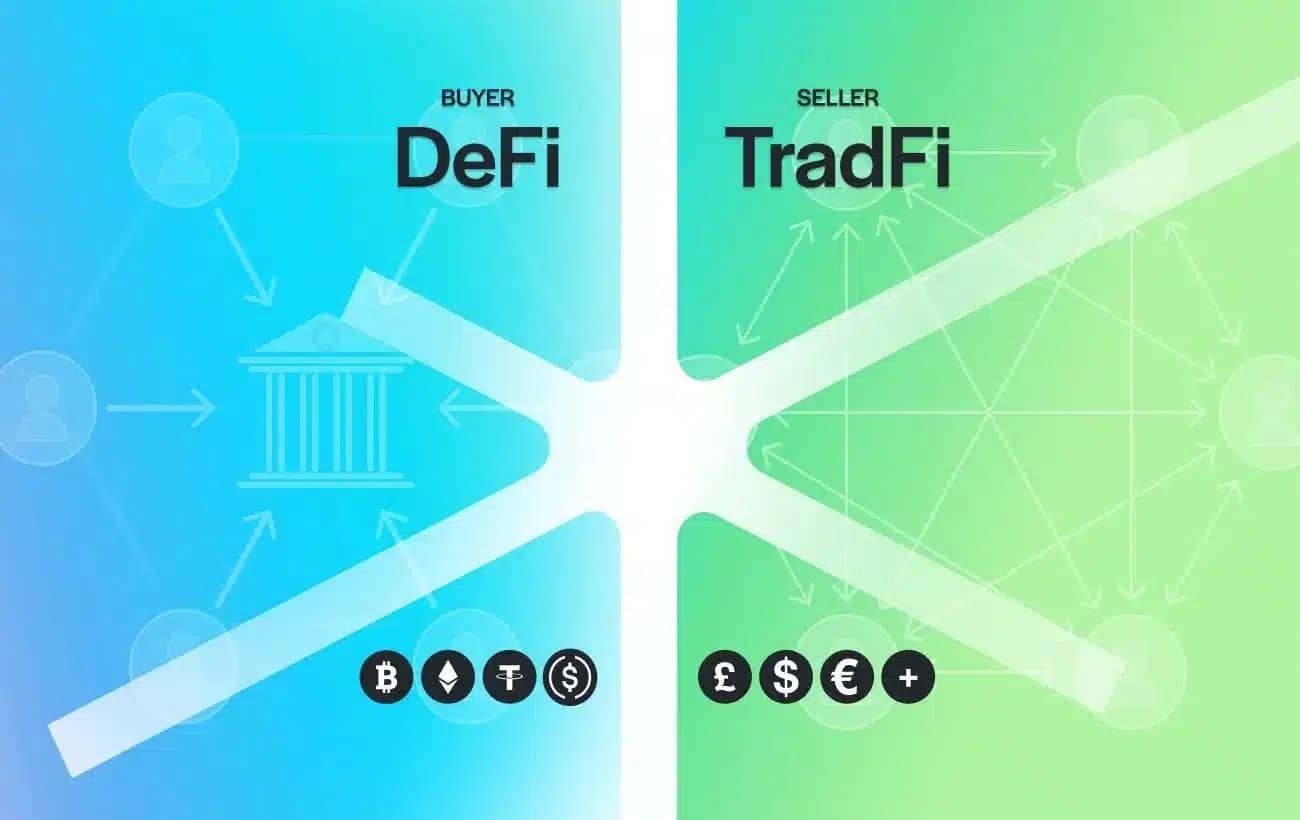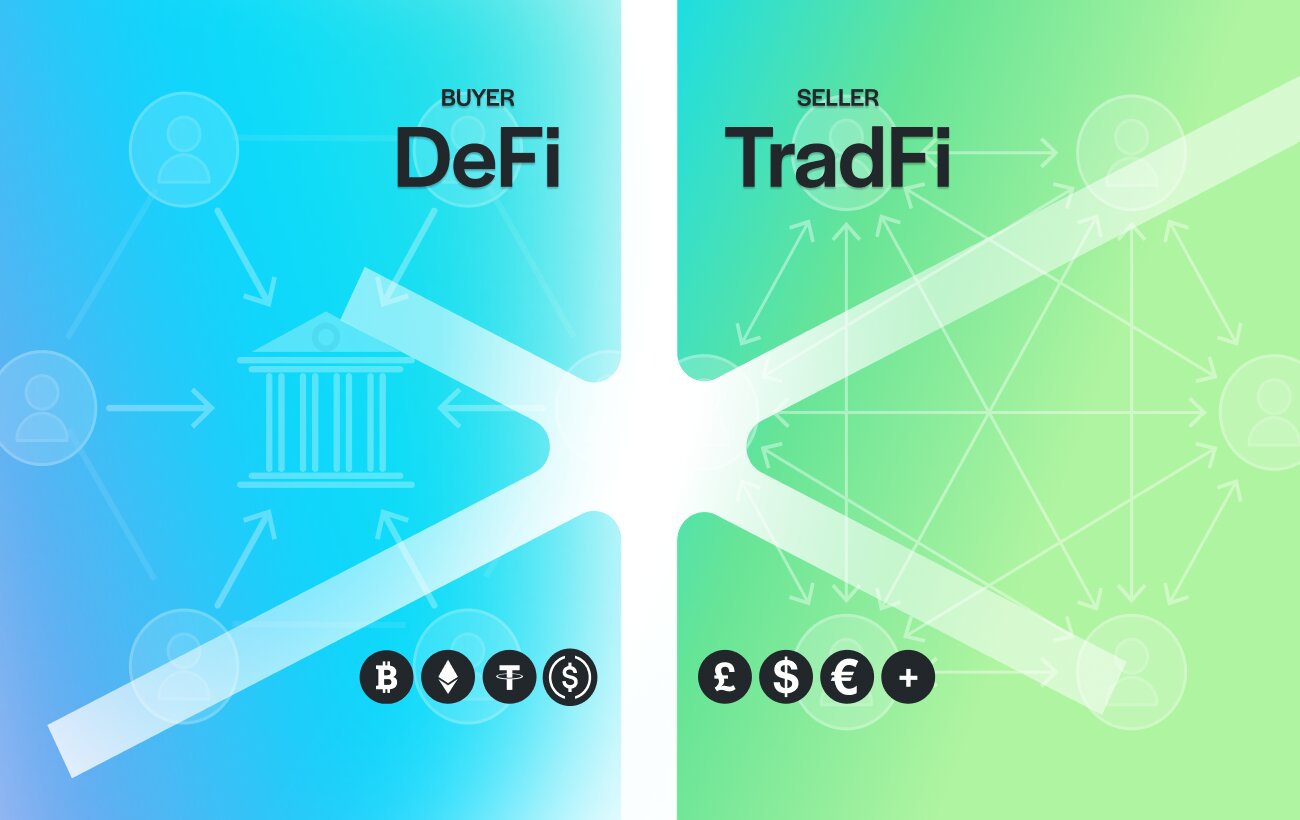
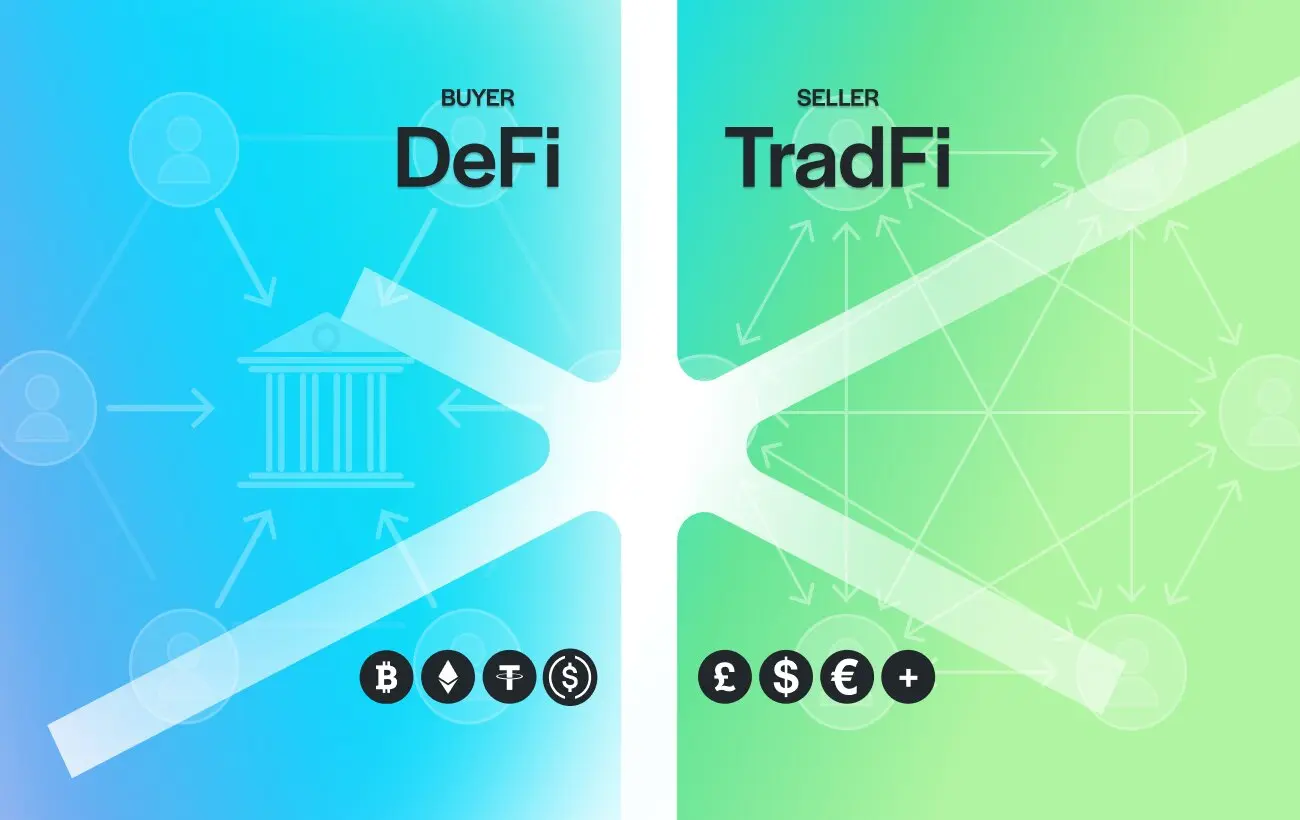
Crypto to fiat settlement has become a critical topic as crypto ownership has reached global scale, while real world usage remains limited.
The limitation is not blockchain technology or asset design.
The constraint sits at the settlement layer.
Most everyday payments still require fiat. Rent, suppliers, salaries, invoices, and service providers all settle through traditional banking rails. At the same time, individuals and companies increasingly hold stablecoins in self custodial wallets. These two realities do not naturally connect.
As a result, a structural gap has formed between holding crypto and using it for real economic activity.
Why existing crypto payment models fall short
Most crypto payment solutions were designed around assumptions that no longer reflect how payments actually work.
One assumption is that merchants will accept crypto. In practice, acceptance remains limited and uneven across regions and industries.
Another assumption is that users want to move crypto into their own bank accounts before making payments. This approach works for liquidation, but it introduces unnecessary steps when the goal is to pay a third party directly.
A third assumption is that cards can bridge the gap. Cards offer convenience in some consumer scenarios, but they introduce network dependencies, geographic constraints, and limitations that are not suitable for many business payments.
Because of these constraints, existing models fail to fully support crypto funded payments that must settle in fiat.
The real bottleneck in crypto to fiat settlement
At the funding layer, crypto already works well.
Stablecoins move quickly.
They operate globally.
They provide predictable value.
The difficulty emerges at the point of settlement.
Recipients expect fiat.
They rely on bank accounts.
They follow established payment workflows.
Most existing approaches attempt to solve this by taking custody of funds or by requiring crypto acceptance. Both options add friction and reduce usability.
Defining self custodial crypto to third party fiat settlement
A different payment model has emerged to address this gap.
Self custodial crypto to third party fiat settlement separates funding from settlement without taking custody of user funds.
In this model:
- The payer funds a transaction from a self custodial crypto wallet
- The payment settles directly to a third party in fiat
- The recipient’s workflow remains unchanged
Crypto is used where it makes sense, on the payer side.
Fiat is delivered where it is required, on the recipient side.
Importantly, this model does not depend on merchant crypto acceptance and does not require the payer to maintain a traditional bank account.
How this crypto to fiat settlement model differs from off ramps and gateways
This settlement model is often grouped with existing crypto infrastructure. Structurally, however, it operates very differently.
Off ramps move funds from crypto into the payer’s own bank account.
Payment gateways assume the recipient accepts crypto.
Cards depend on card networks and regional availability.
By contrast, self custodial crypto to third party fiat settlement focuses on direct settlement to external beneficiaries without custody and without changing how recipients operate.
This distinction has direct implications for usability, compliance, and scalability.
Why stablecoins enable modern crypto to fiat settlement
Stablecoins are a key enabler of this settlement model.
They remove price volatility.
They simplify reconciliation.
They integrate cleanly with fiat settlement processes.
As stablecoins are increasingly used for real economic activity rather than speculative trading, infrastructure that treats them as funding instruments rather than assets to liquidate becomes more relevant.
According to the Bank for International Settlements, stablecoins are increasingly used in payment contexts alongside traditional financial systems.
Where self custodial crypto to third party fiat settlement becomes essential
This model becomes particularly relevant when:
- Payments are cross border
- Counterparties require fiat
- Crypto is held operationally rather than speculatively
- Traditional banking access is limited
- Businesses operate internationally
In these situations, forcing crypto acceptance or relying on cash out workflows introduces unnecessary complexity.
An emerging layer in the global payment stack
Self custodial crypto to third party fiat settlement does not fit neatly into traditional crypto classifications.
It is not an exchange.
It is not an on ramp or off ramp.
It is not a merchant processor.
It is not banking as a service.
Instead, it represents an infrastructure layer that connects self custodial crypto funding with fiat settlement for third parties.
As crypto ownership continues to grow faster than merchant adoption, this layer is likely to become increasingly important.
How TrustLinq fits into this settlement category
TrustLinq operates within the model of self custodial crypto to third party fiat settlement.
It enables individuals and companies to fund payments directly from self custodial stablecoins while delivering fiat to third party bank accounts globally. The sender does not need a bank account. The recipient does not need to accept crypto. Funds do not enter TrustLinq custody.
To see a practical application, you can also read Spend crypto anywhere without relying on merchant acceptance or How to pay invoices with crypto without a bank account.
Why this matters long term
The long term utility of crypto depends on its ability to interact with existing financial systems without forcing those systems to change overnight.
Settlement models that respect how recipients operate today while allowing crypto holders to use their assets responsibly are a necessary step in that evolution.
The future of crypto usage is not about replacing fiat everywhere.
It is about enabling crypto to settle into fiat where required.
FAQs
It is a payment model where crypto held in a self custodial wallet funds a transaction that settles in fiat directly to a third party bank account.
Off ramping moves crypto into the payer’s own bank account. This model enables direct payments to third parties.
No. Recipients receive fiat and interact only with traditional banking rails.
Yes. It supports invoices, suppliers, contractors, and operational expenses without changing recipient workflows.
Because stablecoin usage is growing faster than crypto acceptance, creating demand for new settlement models.
Ready to use your crypto for real-world payments?
You can register once and choose whether you are signing up as an individual or a company.