In 2025, stablecoins settled more than $33 trillion in transaction volume, exceeding the combined annual throughput of Visa and Mastercard. Yet analysis of on-chain data tells a more revealing story: stablecoin real world payments accounted for approximately $390 billion of that total, less than 2 percent. The other 98 percent stayed on-chain, cycling through exchange trading desks, DeFi protocols, cross-chain bridges, and arbitrage bots. The stablecoin economy has achieved extraordinary scale. But the bridge from that on-chain wealth to the physical world, where people pay rent, settle invoices, run payroll, and fund tax obligations, is still being built. TrustLinq is that bridge.
Where Does the $33 Trillion Actually Go?
Understanding stablecoin real world payments requires understanding where the volume that is not real-world actually goes. The majority of on-chain stablecoin activity falls into four categories. First, exchange trading: stablecoins are the dominant base currency on centralised and decentralised exchanges, used to enter and exit positions in Bitcoin, Ethereum, and other crypto assets. Second, DeFi liquidity: stablecoins are deposited into lending protocols, yield vaults, and liquidity pools, moving continuously between smart contracts without ever touching a bank account. Third, cross-chain bridging: as assets move between Ethereum, Tron, Solana, and other networks, stablecoins transit multiple bridge contracts. Fourth, arbitrage: price differences between exchanges create automated stablecoin flows that add significant volume without any underlying economic transaction.
None of these categories represent a payment to a real person or a real business in the physical economy. They are infrastructure activity, not economic activity in the traditional sense. According to Visa’s analysis of stablecoin transaction data, removing automated and purely on-chain activity reveals a much smaller but fast-growing core of genuine payment volume.
The $390 Billion Reaching the Real Economy
The $390 billion in genuine stablecoin real world payments in 2025 represents a more than doubling from 2024 levels. Within that figure, B2B payments dominate at roughly $226 billion, or 60 percent of real-world volume, growing at over 700 percent year on year. This growth is driven by businesses holding USDT (ERC-20 and TRC-20), USDC, EURC, and RLUSD as treasury and needing to pay international suppliers, contractors, and staff in fiat without routing through an exchange on every transaction. For more on how businesses are building this capability, see our guide to enterprise stablecoin treasury management.
Consumer payments, the other 40 percent, are growing more slowly but represent a larger long-term opportunity. Individuals holding stablecoins are trying to use them for everyday obligations: rent, school fees, international transfers to family, tax payments, and mortgage payments. The barrier is not willingness. It is infrastructure. Most stablecoin holders have no reliable way to direct their on-chain holdings into a specific fiat bank account without going through an exchange first.
Why the Gap Between On-Chain Volume and Real-World Use Persists
Three structural problems explain the stablecoin real world payments gap. The first is custody: traditional exchange-based off-ramp routes require you to hand your stablecoins to a centralised exchange, wait for conversion, and then wait again for a fiat withdrawal to clear. This takes days and involves counterparty risk at every step. The second is reach: most exchange withdrawal services support only a handful of major fiat currencies, leaving large parts of the global economy without access. The third is friction: the KYC, onboarding, and account management requirements of centralised exchanges create a barrier for someone who simply needs to make a specific payment. For more on why exchanges are structurally wrong for this use case, read our analysis of why crypto exchanges are built for trading, not payments.
How TrustLinq Closes the Gap
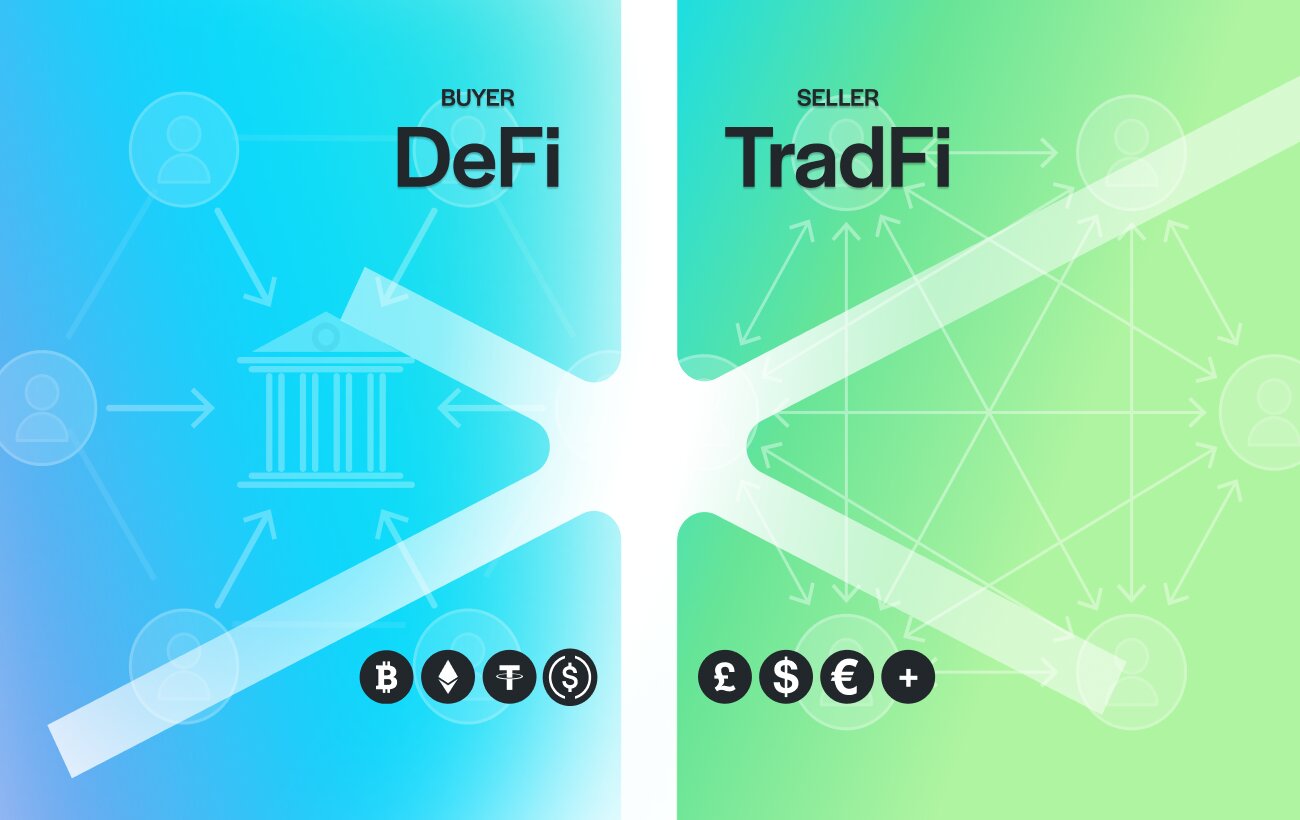
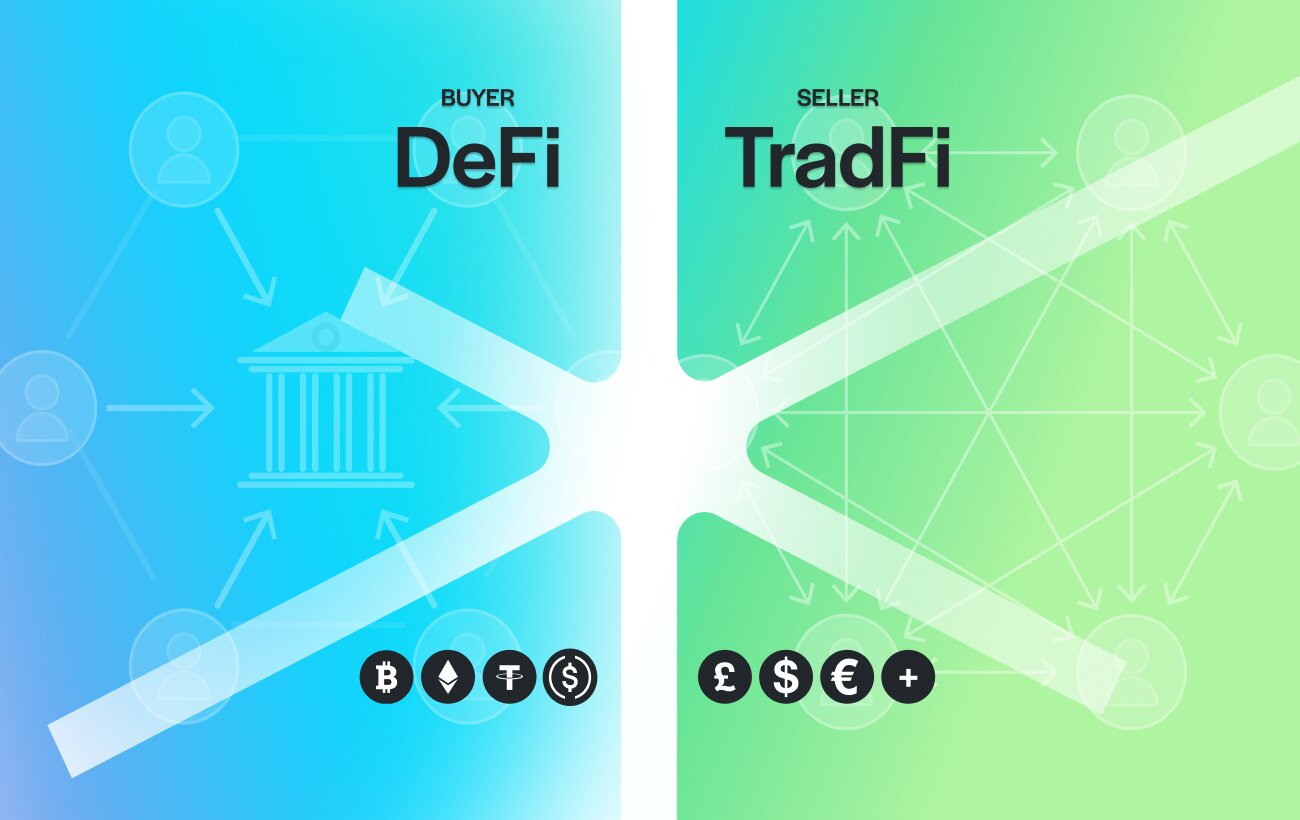
TrustLinq is designed specifically for the use case the $33 trillion headline obscures: a person or business holding USDT (ERC-20 or TRC-20), USDC, EURC, or RLUSD that needs to direct a specific amount to a specific bank account in a specific fiat currency. The non-custodial smart contract vault handles conversion and settlement in hours, not days, without taking custody of your assets. There are no exchange withdrawal limits, no pre-funding requirements, and no geographic restrictions beyond TrustLinq’s 170-plus country coverage. Every transaction that flows through TrustLinq moves stablecoin value from on-chain into the real economy. For a full overview of the settlement architecture, see our guide to crypto-funded fiat settlement.
The trajectory is clear. The $390 billion in real-world stablecoin payments in 2025 will grow significantly as infrastructure improves. The question for crypto holders is not whether stablecoins will become practical for real-world payments. The question is which infrastructure they use to get there. We also explore this problem in our piece on the stablecoin adoption problem.
Frequently Asked Questions
Analysis of on-chain data suggests approximately $390 billion of the $33 trillion in 2025 stablecoin volume represented genuine real-world payments. That is less than 2 percent of total volume. The remainder is exchange trading, DeFi activity, and automated protocol flows.
B2B stablecoin payments grew over 700 percent year on year in 2025, driven by businesses holding stablecoin treasury that need to pay international suppliers, contractors, and employees in fiat. Infrastructure improvements like TrustLinq are removing the exchange bottleneck.
USDC and USDT together account for the vast majority of real-world stablecoin payment volume. TrustLinq supports USDT (ERC-20 and TRC-20), USDC, EURC, and RLUSD, giving users a range of compliant options across jurisdictions.
The main barriers are the custody requirement of exchange-based off-ramps, limited geographic reach of exchange withdrawal services, and the friction of exchange onboarding for users who simply want to make a specific payment. Non-custodial settlement infrastructure like TrustLinq removes all three.
Visa publishes regular analysis of stablecoin transaction data. TRM Labs and McKinsey have both published research distinguishing genuine payment volume from automated on-chain activity. CoinLedger and Plasma also track monthly stablecoin volume trends.
Use Your Crypto for Real-World Payments
TrustLinq enables crypto-funded fiat settlement for individuals and businesses worldwide. Register once and pay any third party using your self-custodial crypto.