Stablecoin regulation 2026 has moved from debate to law. The US GENIUS Act was signed by the President on July 18, 2025, following a bipartisan Senate vote of 68 to 30 and a House vote of 308 to 122. In Europe, MiCA’s stablecoin provisions came fully into force on December 30, 2024. Switzerland, where TrustLinq is regulated under FINMA and SO-FIT, had clear crypto financial intermediary rules in place before either framework existed. For individuals and businesses using USDT (ERC-20 and TRC-20), USDC, EURC, and RLUSD for real-world payments, understanding what these frameworks mean is now a practical necessity, not an academic exercise.
The US GENIUS Act: What It Requires
The GENIUS Act establishes the first comprehensive federal framework for payment stablecoins in the United States. Its core requirements are straightforward: stablecoin issuers must maintain 1:1 reserves in high-quality liquid assets, give holders the legal right to redeem at face value, and operate under bank-equivalent regulatory oversight. The Act covers payment stablecoins specifically, defined as digital assets an issuer must redeem at a fixed value. Final implementing regulations are required by July 18, 2026, with the framework taking full effect by January 2027 at the latest. According to the full text of the GENIUS Act on Congress.gov, the legislation is explicitly designed to protect consumers and enhance confidence in the stablecoin payment market.
For crypto holders using stablecoins for payments, the practical effect of the GENIUS Act is positive. Issuers of compliant stablecoins must maintain transparent, audited reserves and legally guaranteed redemption rights. USDC, issued by Circle, and RLUSD, issued by Ripple, are both positioned to comply with GENIUS Act requirements, making them the natural choices for US-based stablecoin payment activity.
MiCA in Europe: What Has Already Changed
MiCA’s stablecoin rules came fully into force on December 30, 2024. The impact on the European market has been significant. Centralised exchanges operating in the EU delisted USDT throughout 2024 and early 2025 because Tether does not meet MiCA’s transparency, reserve, and regulatory oversight requirements. USDC and EURC, both issued by Circle, are MiCA-compliant and have maintained their listings. For businesses and individuals in the EU, the guidance is clear: USDC and EURC are the appropriate stablecoins for European operations. TrustLinq supports both, alongside USDT (ERC-20 and TRC-20), USDC, EURC, and RLUSD, giving European users MiCA-compliant options across all payment use cases. For more on the compliance landscape, see our crypto payment compliance guide for 2026.
Switzerland: Already Ahead of Both Frameworks
TrustLinq operates as a regulated financial intermediary under FINMA oversight and holds SO-FIT membership. Switzerland established its crypto financial intermediary framework through the DLT Act and associated FINMA guidance years before MiCA or the GENIUS Act came into existence. TrustLinq’s compliance infrastructure was not built in response to the new frameworks. It predates them. Swiss regulatory standards for AML, KYC, and reserve transparency are comparable to both MiCA and GENIUS Act requirements, meaning TrustLinq’s counterpart status is clean for clients operating under any of the three frameworks. To understand more about Switzerland’s approach, read our analysis of Swiss crypto regulations and the DAC8 and CARF privacy implications.
What Stablecoin Regulation 2026 Means in Practice
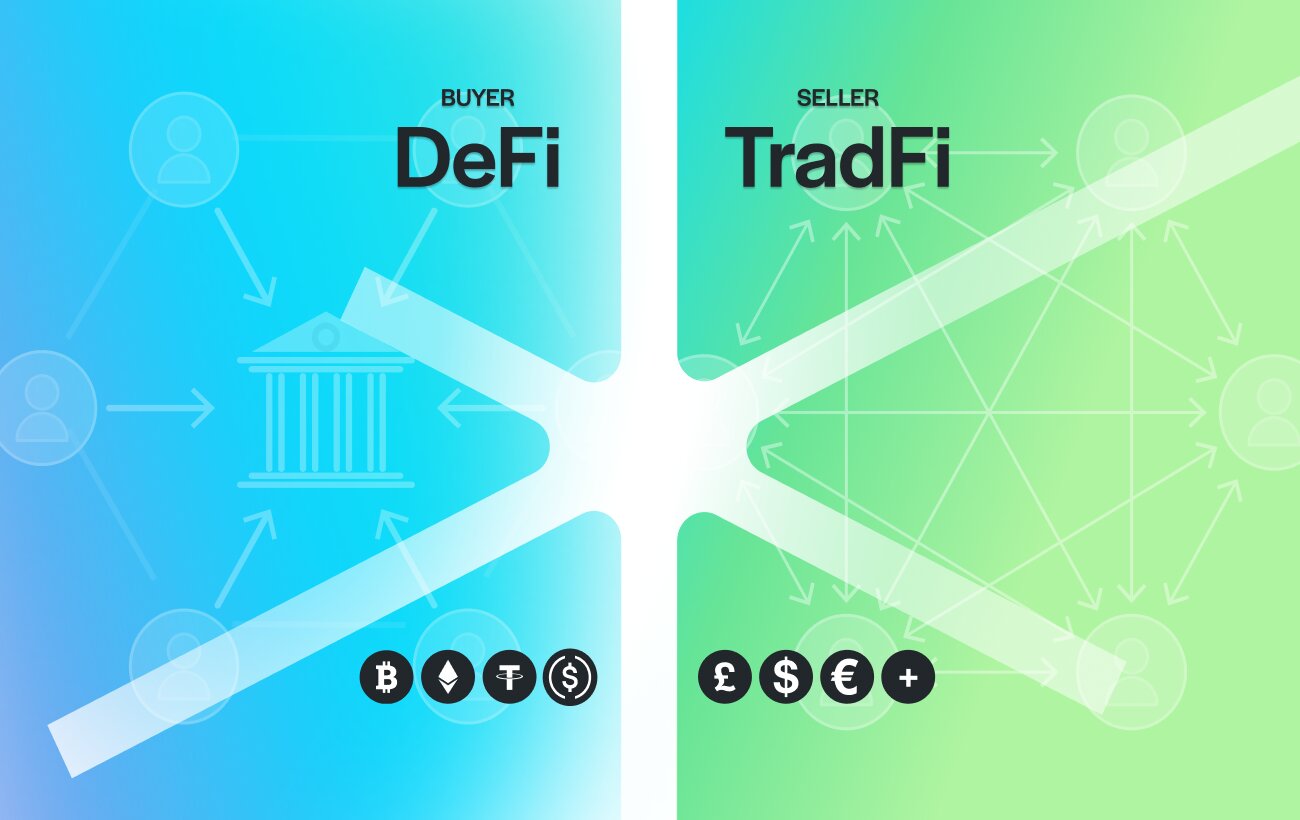
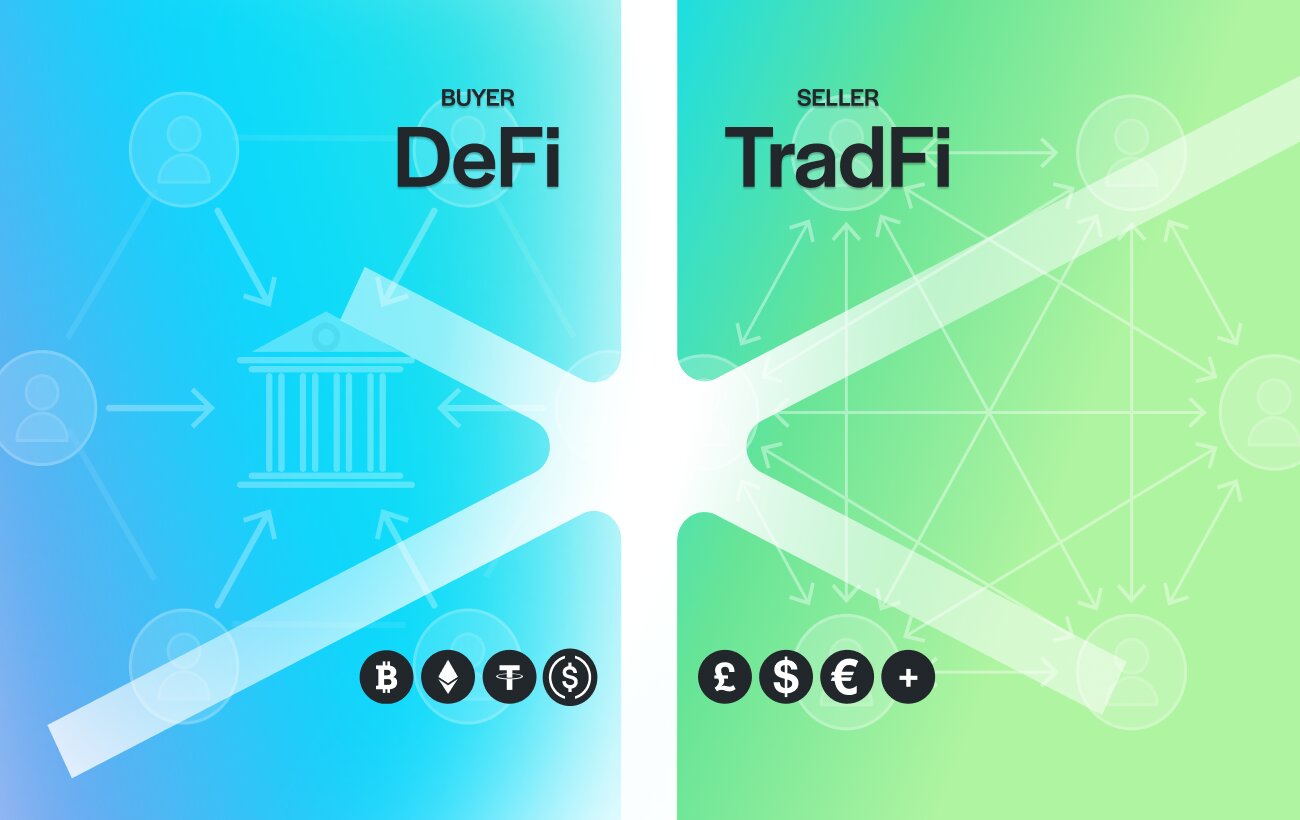
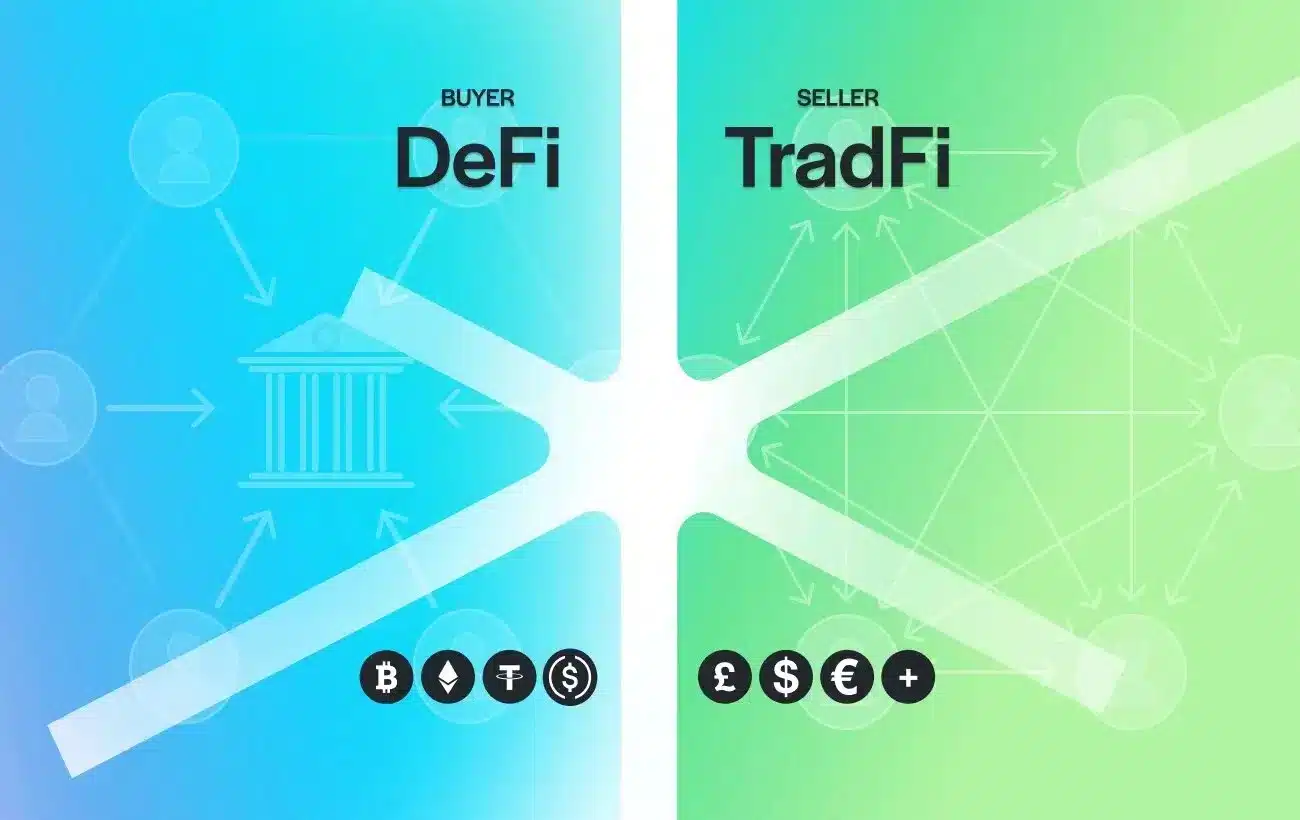
The convergence of MiCA, the GENIUS Act, and Switzerland’s existing framework creates a clearer picture for anyone using stablecoins for real-world payments. Stablecoin regulation 2026 legitimises the asset class for institutional and serious retail use. Banks, insurers, and large businesses that were hesitant to engage with crypto-origin payments now have a regulatory framework that makes stablecoins a recognisable, regulated instrument. The choice of stablecoin matters more than it did before. For European operations, USDC and EURC are the right choices. For US operations, GENIUS Act-compliant stablecoins are appropriate. TrustLinq’s support for USDT (ERC-20 and TRC-20), USDC, EURC, and RLUSD covers all major compliant options across all three jurisdictions.
Frequently Asked Questions
The GENIUS Act is the US federal law establishing a regulatory framework for payment stablecoins. It was signed into law on July 18, 2025. Final implementing regulations are due by July 18, 2026, with full effect by January 2027.
USDT has been delisted from EU-regulated centralised exchanges because Tether does not meet MiCA compliance requirements. For businesses seeking clear regulatory compliance for European operations, USDC and EURC are the recommended alternatives.
TrustLinq operates as a Swiss-regulated financial intermediary under FINMA and SO-FIT oversight. Switzerland’s crypto regulatory framework predates both MiCA and the GENIUS Act and meets comparable standards. TrustLinq supports MiCA-compliant stablecoins including USDC and EURC for European clients.
USDC and EURC are MiCA-compliant for European use. USDC and RLUSD are positioned for US GENIUS Act compliance. TrustLinq supports USDT (ERC-20 and TRC-20), USDC, EURC, and RLUSD, covering compliant options across major jurisdictions.
No. TrustLinq’s settlement process operates within its existing Swiss regulatory framework, which already meets the standards being introduced by MiCA and the GENIUS Act. Regulation adds clarity without adding friction to individual transactions.
Use Your Crypto for Real-World Payments
TrustLinq enables crypto-funded fiat settlement for individuals and businesses worldwide. Register once and pay any third party using your self-custodial crypto.