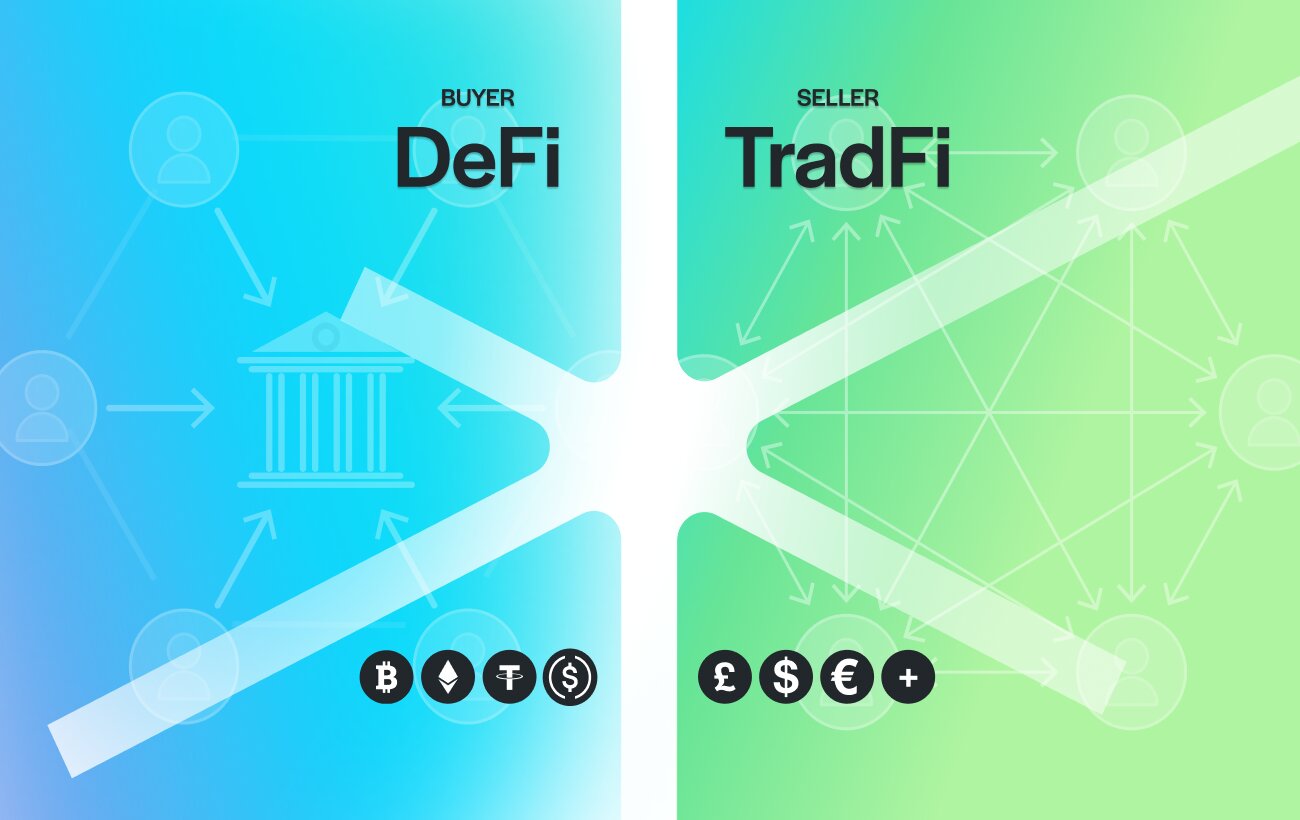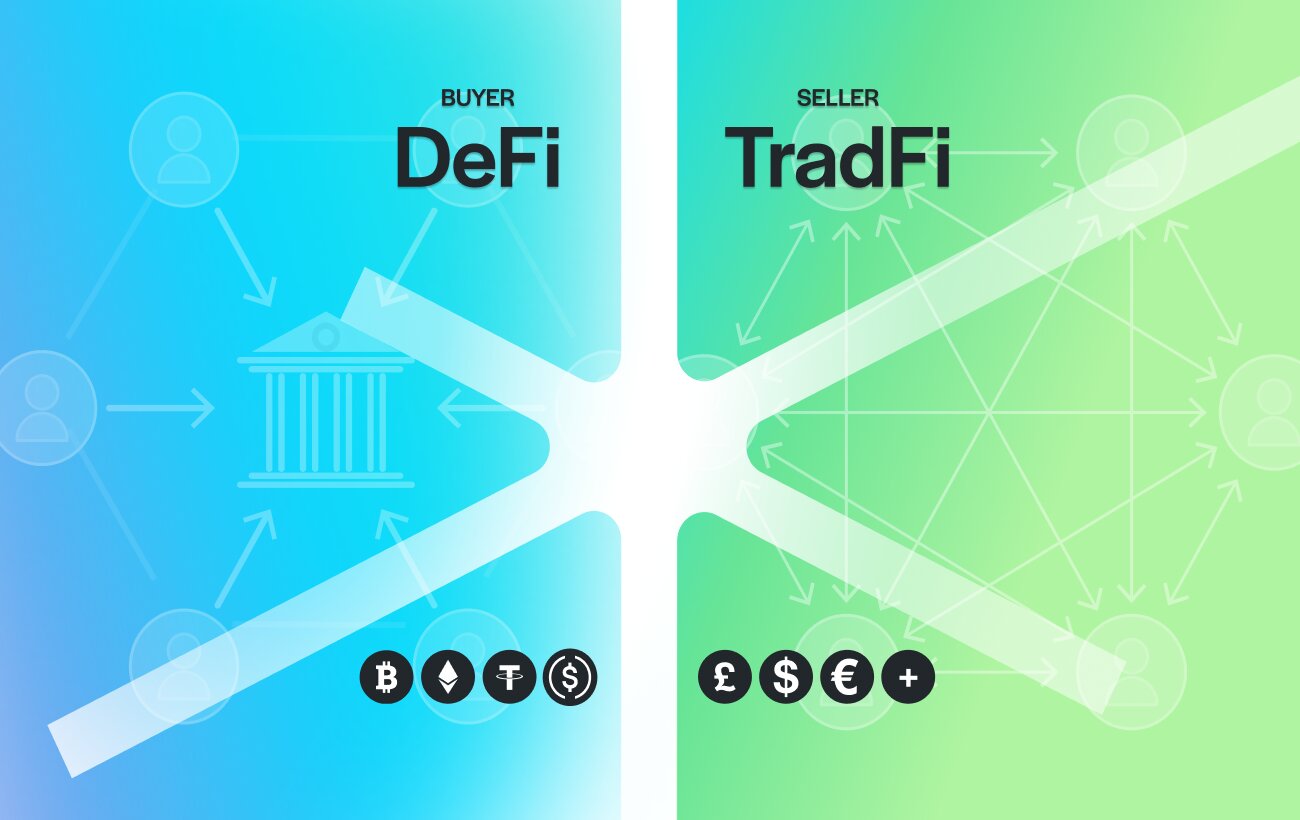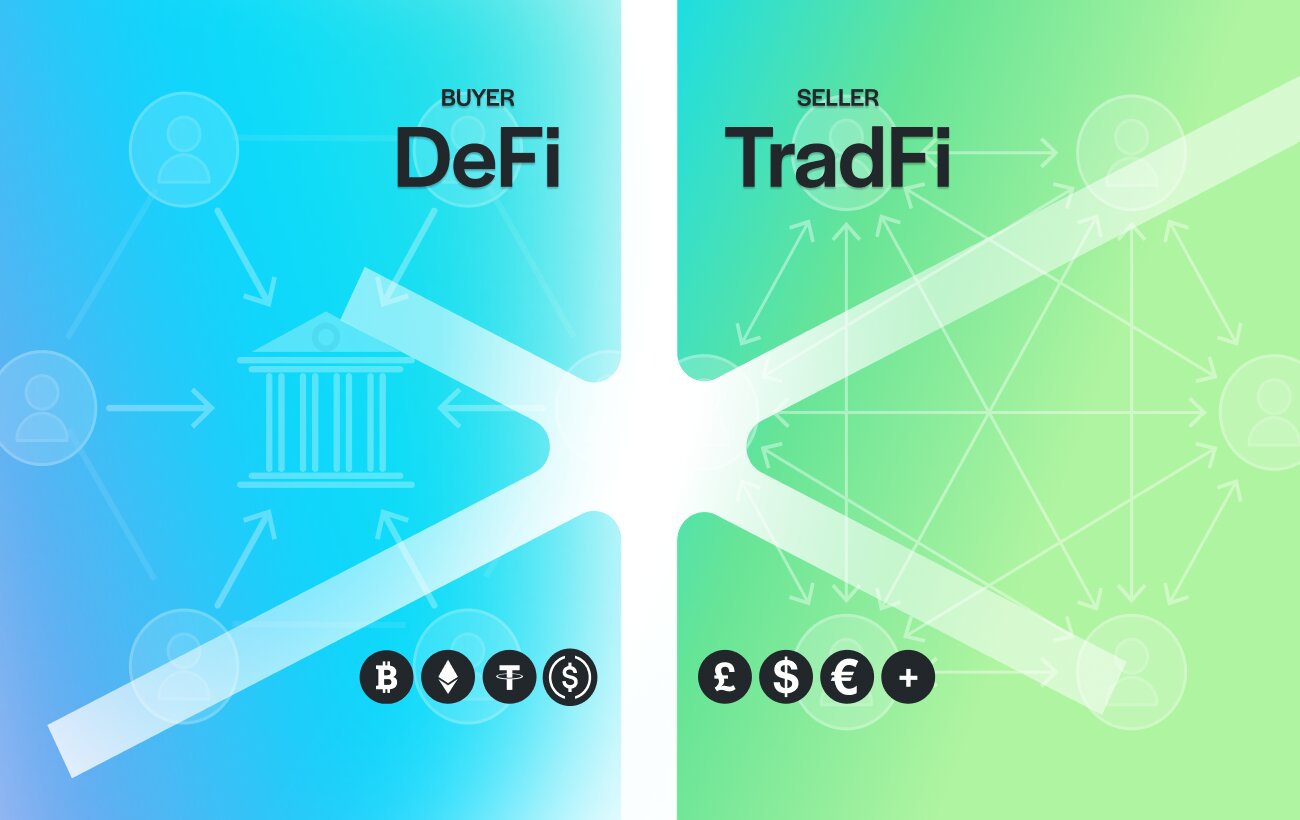
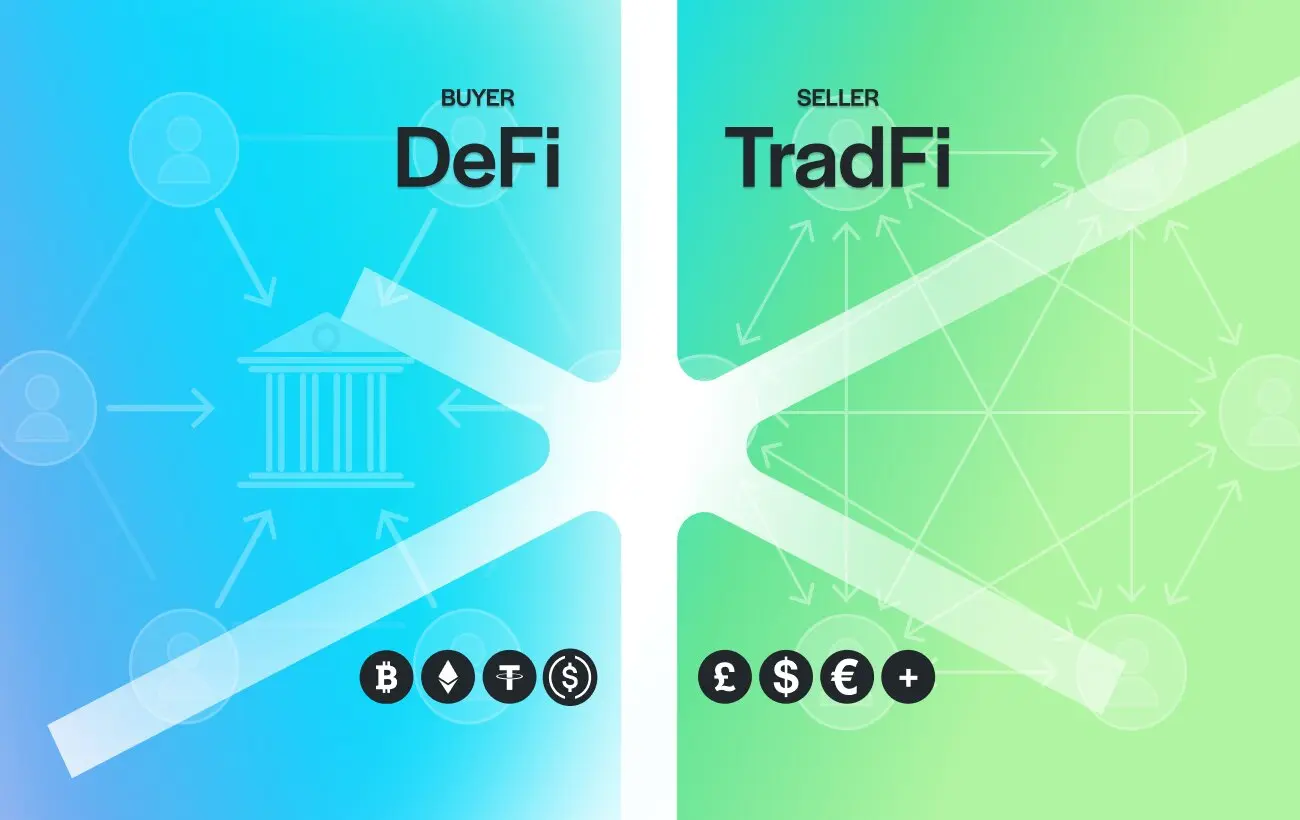
Cryptocurrency adoption continues to grow, but the cryptocurrency usability problem remains unsolved. Although millions of people now hold stablecoins and other digital assets, they still struggle to use them for everyday payments. This gap between holding value on-chain and using it in real life has become one of the biggest barriers to mainstream adoption.
Why the Cryptocurrency Usability Problem Still Exists
Crypto is a fast and efficient store of value. It is simple to trade, easy to transfer and accessible in almost every country. Even so, real-world spending remains complicated. Users must navigate off-ramps, compliance steps and banking limitations before they can settle a basic payment.
For example, paying a supplier, a contractor or a service provider in fiat still requires additional steps outside the blockchain. These steps introduce delays and create friction. As a result, crypto becomes a parallel financial system rather than a practical tool for everyday life.
In addition, many users prefer to keep self custody of their assets. This preference becomes a barrier because most payment platforms require full custodial control. Therefore, crypto remains powerful on-chain but inconvenient when users attempt to interact with traditional settlement systems.
This gap in crypto usability prevents digital assets from functioning as practical payment tools for daily financial needs. Independent research on crypto usability also highlights the same limitations across on-chain and off-chain payment infrastructure. Users must navigate off-ramps, compliance steps and banking limitations before they can settle a basic payment. You can read more about traditional off-ramp limitations in our guide How to Off-Ramp Crypto Safely and What to Do Instead. This is a direct result of the cryptocurrency usability problem, which prevents digital assets from functioning as practical payment tools.
Why Stablecoins Did Not Fully Solve Utility
Stablecoins were designed to remove volatility and create a digital version of familiar currencies. They succeeded in making on-chain transfers predictable and simple. They also became widely accepted inside Web3.
However, stablecoins did not remove the need for traditional settlement. A stablecoin works only within blockchain networks. Real-world recipients still expect fiat in their bank accounts. Consequently, users face the same hurdles they face with other digital assets when they want to settle real obligations. Many users still rely on exchanges for payments, which creates delays and added steps, as explained in How to Use Crypto for Business Expenses and Pay in Fiat.
This gap explains why the usability problem persists. Stablecoins solved price stability, but they did not solve real-world accessibility.
The Missing Piece: Real-World Settlement
The true barrier to adoption is not the asset type. It is the lack of a direct bridge between self-custodial stablecoins and third-party fiat recipients. A practical payment solution must connect digital value to traditional banking rails without requiring exchanges, custodians or multiple intermediaries.
Users want to pay suppliers, invoices, rent, service providers and expenses with the digital assets they already hold. They also want to avoid opening new bank accounts or transferring funds through several platforms. Without this capability, crypto remains limited to investment, trading and on-chain activity.
A real-world settlement layer closes this gap. It matches the speed of blockchain with the universal acceptance of fiat.
Why Self Custody Matters for Real Adoption
Self custody is one of the defining principles of digital assets. It ensures that users keep full control over their funds. When platforms require custody in order to process payments, users lose the core benefit of blockchain-based finance.
A complete solution must respect self custody. It must allow users to initiate transactions directly from their own wallets while still meeting regulatory requirements. This combination preserves user control and enables compliant participation in the global financial system.
How a Regulated Settlement Layer Solves the Usability Problem
A regulated settlement layer connects stablecoin balances held in self-custodial wallets with traditional banking rails. This type of infrastructure allows users to pay any third-party bank account in fiat while maintaining control of their assets until the moment of payment. It removes unnecessary steps and reduces risk.
Once digital value can flow directly to fiat recipients, stablecoins become practical for daily spending. Individuals can pay recurring obligations. Businesses can settle invoices. Contractors can receive payments without waiting for banking delays. Cross-border transfers become simpler and more predictable. This process removes the need for personal bank accounts and allows direct fiat settlement, which we explain in How to Pay Invoices with Stablecoins Without a Bank Account.
Because the process removes custodial risk and unnecessary intermediaries, it supports both compliance and user autonomy.
What a Future With Crypto-as-Money Looks Like
When crypto gains a simple path to real-world settlement, it becomes useful beyond trading or speculation. Stablecoins start functioning like money instead of digital balances. Users can complete daily financial tasks without engaging with multiple platforms. Businesses can operate globally with fewer banking constraints.
This future reduces friction, increases financial access and expands the role of digital assets in the global economy. It also repositions stablecoins as a universal payment instrument rather than a tool limited to Web3 activity. Solving the cryptocurrency usability problem creates a path where stablecoins can finally operate as real payment instruments.
Why Solving This Problem Matters Now
The conversation about adoption often focuses on new tokens or emerging technologies. However, true adoption depends on solving utility. People need financial tools they can use, not only assets they can hold. Solving the usability problem allows digital assets to function in everyday financial life.
Stablecoins created the foundation for this transformation. A regulated and self-custodial settlement layer completes it. Together they allow digital value to move from the blockchain into the real world with minimal friction.
Crypto cannot reach its full potential until the usability problem is solved. Once this barrier is removed, digital assets become a practical part of how people and businesses interact with the global economy.
It refers to the gap between holding crypto and using it for real-world payments. Users can transact on-chain but cannot easily settle obligations in fiat.
Most settlement systems require bank accounts or custodial platforms, which prevents direct self-custodial payments to third-party recipients.
Stablecoins reduce volatility but do not provide a direct bridge to real-world settlement. They still require a compliant fiat payout mechanism.
A regulated settlement layer connects on-chain value to traditional banking rails, allowing users to pay suppliers, invoices and expenses directly.
Yes. A compliant self-custodial settlement platform enables users to send fiat to third-party bank accounts using stablecoins without needing their own bank account.
Ready to use your crypto for real-world payments?
You can register once and choose whether you are signing up as an individual or a company.